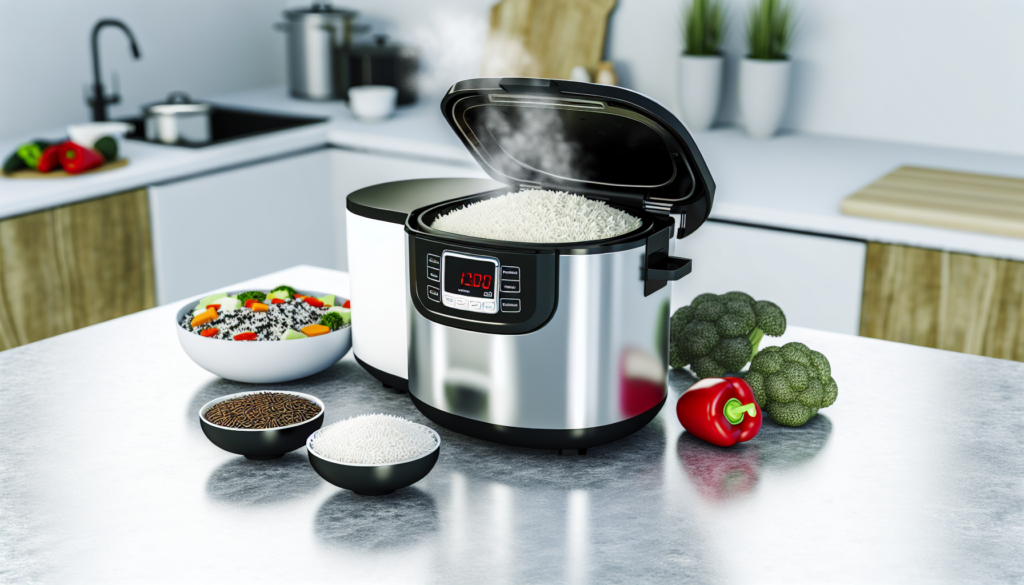
Cooking rice in a rice cooker is a modern culinary convenience that yields perfect, fluffy grains with minimal effort. Combining ancient traditions with automated technology, rice cookers have become indispensable for millions. In this article, we explore the origins, advantages, and best practices of preparing rice in a rice cooker, ensuring optimal taste and texture every time.
The Evolution of Rice and Its Global Importance
Rice traces its roots to ancient civilizations, with archaeological findings revealing its domestication in China’s Yangtze River valley nearly 10,000 years ago, and evidence of West African domestication of a separate species, Oryza glaberrima, some 3,000 years ago. This humble grain would eventually underpin the diets of empires, becoming both a symbol of fertility in rituals and a vital lifeline during famines. By adapting to flooded paddies or dry uplands, rice spread through Southeast Asia, India, and eventually the Middle East, Africa, Southern Europe, and the Americas, taking on new forms to match each landscape and culture.
Rice’s biological adaptability is astounding. Unlike most grains, rice (Oryza sativa and Oryza glaberrima) flourishes in submerged conditions, thanks to air-channels in its stem that deliver oxygen to the roots. Its protein-starch structure varies significantly across varieties: the plump, starchy grains of Japonica cling together, perfect for sushi or risotto; long-grained Indica varieties, with less amylopectin, remain distinct and fluffy. Sticky rice, basmati, jasmine, black, red, and aromatic heirloom rices offer a rainbow of flavors, textures, and culinary contexts.
Asia dominates global consumption, with China and India leading the world’s rice production. Yet, from paella in Spain, jollof in West Africa, risotto in Italy, biryani in South Asia, to gumbo in the southern United States, rice adapts to countless culinary identities. In many societies, rice is not merely sustenance but a cultural symbol—offered at weddings, celebrated during harvests, and revered in proverbs and poetry.
As rice grew in stature and variety, so too did the quest for mastery in its cooking. Traditional steaming, boiling, and clay-pot methods reflected local preference and the demands of each variety. In the 20th century, however, this quest inspired new technologies designed to perfectly adapt these time-honored grains to modern kitchens, paving the way for innovations that would change daily life and the very art of rice preparation.
The Rise of the Rice Cooker
The arrival of the rice cooker marked a turning point in domestic life, especially in East Asia, aligning perfectly with cultural practices that place rice at the heart of every meal. The first electric rice cookers emerged from post-war Japan’s drive for modernization and convenience.
However, it was the Toshiba Automatic Electric Rice Cooker, launched in 1955, that catalyzed a revolution. This not only freed users from vigilant supervision but ensured reliably cooked, fluffy rice with every batch.
The rice cooker’s proliferation was swift, transforming domestic routines across Japan and then throughout Asia. At its core, the cooker consists of a removable, typically non-stick pot, an electric heating plate, a thermostat, and a tight-fitting lid. The reliability and ease offered by the rice cooker significantly reduced the hands-on time and mental labor associated with rice preparation. For many households, this technological leap minimized traditional expectations placed on women as primary cooks, playing a subtle yet pivotal role in reshaping daily chores and gender norms.
Choosing the Right Rice and Water Ratio
Perfecting rice in a rice cooker hinges on understanding both the variety of rice being used and the precise ratio of rice to water. Each type of rice—long-grain, medium-grain, short-grain, and glutinous—has a unique structure and chemistry, influencing both how much water it absorbs and how it cooks. Long-grain rice varieties, such as basmati and jasmine, contain more amylose starch, resulting in grains that remain separate and fluffy. These typically require a water-to-rice ratio of about 1.5:1, though some modern rice cookers recommend slightly less water for firmer texture. Medium-grain rice, prized in dishes like risotto, becomes tender yet clings together due to higher amylopectin content and usually cooks well at a 1.25:1 ratio.
Short-grain rice, like Japanese sushi rice, is stickier when cooked because of its particularly high amylopectin content. It often demands a 1:1 ratio, though a splash more water can yield the desired softness commonly found in Japanese cuisine. Glutinous or sticky rice, used in many East Asian desserts, actually contains very little gluten despite its name; this rice needs soaking before cooking and a 1:1 water ratio or less, depending on rice cooker instructions.
Precision in measuring both rice and water is essential, as even a small miscalculation can result in mushy or underdone rice. Brown and specialty rices—such as wild or black rice—demand even more attention, since their bran layers slow water absorption. These types often require a ratio of up to 2:1 or a longer cooking time. For enhanced flavor and texture, consider adding a pinch of salt, a splash of oil, or infusing the water with broth or aromatic ingredients before starting the cooker. This small investment in choice and proportion transforms routine cooking into reliably excellent rice, every time the lid clicks shut.
Step-by-Step Guide to Cooking Rice in a Rice Cooker
Cooking rice in a rice cooker is a straightforward process, but attention to detail ensures consistently perfect results regardless of rice type or desired texture. Begin by measuring your rice according to the ratios discussed earlier, then pour it into the cooker’s inner bowl. Rinse the rice thoroughly under cold water, swirling with your fingers and draining the cloudy water at least two to three times. For certain rices like basmati or jasmine, a brief 15–20 minute soak in fresh water before cooking enhances texture by allowing the grains to better absorb moisture and lengthen.
Once rinsed (and soaked, if desired), drain the rice and add the precise amount of water suitable for the specific variety. If your rice cooker includes measurement lines, use them for convenience, but always double-check against types and ratios for accuracy.
For basic rice, set the cooker to the standard or “white rice” setting. Many modern models also offer quick-cook, brown rice, or mixed-grain modes tailored to specific grains. Use the quick-cook function sparingly, as speeding cooking can compromise texture. After cooking, most rice cookers automatically switch to “keep warm”—let the rice rest with the lid closed for 10–15 minutes. This crucial stage allows residual steam to fully disperse, yielding fluffier, separate grains.
Troubleshooting common issues is key: If rice turns out undercooked, add a splash of water and run another short cycle. For sticking, lightly oil the inner bowl next time, or remove rice promptly after resting. For advanced flavor, consider stirring in aromatics—bay leaf, sliced ginger, garlic, or even a handful of frozen peas—before cooking. Experiment with finely chopped vegetables, spices, or broths as the cooking liquid to add nuance and complexity, tailoring each batch to your own palate.
Maintaining, Cleaning, and Getting Creative with Your Rice Cooker
Proper care of your rice cooker not only preserves its performance but ensures that every meal remains safe and delicious. Always unplug the cooker and let it cool before cleaning. Remove the inner pot, and wash it gently with warm, soapy water, using a soft sponge to avoid scratching the nonstick surface. Pay attention to the lid—some models have removable lids or steam vents that can accumulate residue. Wipe the exterior with a damp cloth, never immersing it in water. For stuck-on grains or residue, soak the inner pot briefly to loosen before cleaning. Examine the heating plate at the base for any leftover bits; if present, gently wipe with a nonabrasive cloth. Regularly check the condensation collector or drip tray if your model has one, emptying and washing it after each use to prevent mold and odors.
Maintaining your appliance extends beyond cleanliness. Inspect the power cord and plug for damage periodically, and store your cooker in a dry, well-ventilated place when not in use. Long-term reliability depends on following the specific guidance outlined in your device’s manual.
Rice cookers are versatile allies in the kitchen, unlocking a world of creativity beyond their namesake grain. Try steaming broccoli, carrots, or even dumplings using the steaming tray—just add water to the base, stack the tray, and select the steam function. For heartier fare, you can prepare one-pot stews, chili, or even oatmeal by layering ingredients in the inner pot and selecting suitable settings. With minimal hands-on time and easy cleanup, the rice cooker can transform weekday routines, helping you explore new dishes with confidence and convenience.
Conclusions
Rice cookers combine innovation with tradition, allowing anyone to prepare perfectly cooked rice with ease. By understanding rice varieties, mastering water ratios, and caring for the appliance, users can enjoy not only flawless rice but greater kitchen efficiency and creativity. Embrace the rice cooker, and elevate your cooking beyond mere convenience to consistent culinary success.
For more reviews visit mykitchenreview.com