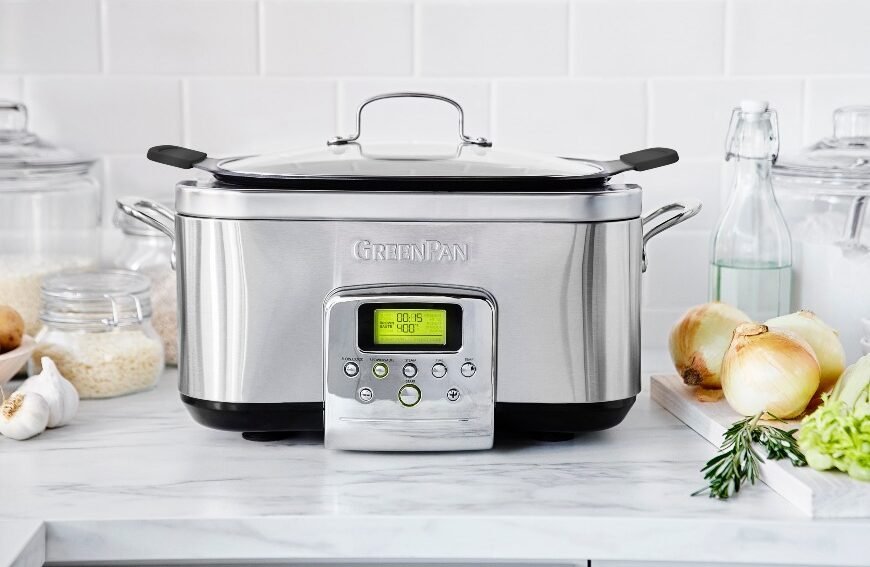
Slow cookers have transformed home cooking, allowing anyone to prepare hearty, flavorful meals with minimal effort. From tender chicken to robust beef and wholesome soups, slow cookers make meal prep easy and convenient. In this article, we’ll explore the versatility and secrets behind the best slow cooker recipes, with tips on maximizing flavor and simplicity in your kitchen.
The Science and Benefits of Slow Cooking
A slow cooker is an electric countertop appliance designed for long, gentle simmering. It consists of a ceramic or porcelain insert housed inside a metal shell equipped with a heating element and a tight-fitting lid, engineered to trap steam and heat efficiently. Originating in the 1970s with the introduction of the Crock-Pot, the slow cooker revolutionized home cooking by allowing busy families to enjoy homemade meals with minimal daily attention.
This cooker shines through its low-and-slow technique, typically operating at temperatures between 170°F and 280°F (around 80°C to 140°C). This gentle heat enables tough cuts of beef or chicken pieces to tenderize over hours, intensifying flavors and creating fork-tender results. Whether making a classic slow cooker roast, hearty slow cooker beef stew, or comforting slow cooker soups, dishes are infused with deeply developed flavors as spices, herbs, and aromatics mingle over time.
Slow cookers offer numerous advantages. They are energy-efficient, using less electricity than an oven left on for hours. Their set-it-and-forget-it nature appeals to busy cooks—just prepare ingredients in the morning, and return to a ready-to-serve meal. The moist cooking environment helps retain nutrients often lost in high-heat or rapid cooking methods, making slow cooker recipes for chicken and beef both healthy and flavorful.
Modern slow cookers come in a variety of sizes—small 1.5-quart models for dips, mid-sized 4- to 6-quart options ideal for most families, and large 8-quart versions that handle big roasts or generous batches of soup. Additional features may include programmable timers, multiple heat settings, and keep-warm functions, all designed to streamline meal preparation. These benefits have cemented the slow cooker as a global kitchen staple, accommodating a diverse range of culinary traditions from stews and braises to inventive contemporary slow cooker dishes.
Essential Ingredients and Preparation Tips for Slow Cooker Success
A truly satisfying slow cooker meal begins with ingredient choices and thoughtful preparation. Key proteins like bone-in or skinless chicken thighs, whole chickens, affordable beef cuts (such as chuck roast, brisket, or short ribs), and pork shoulder shine with slow, moist heat. These tougher, collagen-rich cuts transform over hours into fork-tender bites full of deep flavor, making them perfect for slow cooker beef or roast recipes. Skinless chicken pieces are favored for slow cooker chicken recipes, delivering moist results without excess fat in the cooking liquid.
Root vegetables—think carrots, potatoes, sweet potatoes, and parsnips—hold their shape over prolonged cooking and absorb flavor beautifully. Aromatics like onions, garlic, and celery form the backbone of many slow cooker soups and stews. Legumes, such as lentils or beans, benefit from the slow cooking process, developing a creamy texture while retaining their structure.
Layering is key: Place firmer vegetables at the bottom, where heat is most intense, then add meats and, finally, delicate ingredients (like peas or greens) towards the end of cooking. This method ensures everything cooks evenly and retains texture.
To enhance depth of flavor, browning meats before adding them to the cooker is a game-changer. While not strictly necessary, quickly searing roasts or chicken in a pan develops savory notes through caramelization, enriching your final dish.
Use flavorful liquids—low-sodium stocks, broths, canned tomatoes, or coconut milk. Herbs, both dried and fresh, give slow cooker dishes classic character. Add whole sprigs (like thyme or rosemary) at the start for subtle infusion, and finish with fresh chopped herbs to brighten flavors just before serving.
Liquid matters: Aim for just enough to come halfway up the ingredients. Too much can lead to bland, watery results, while too little risks burning. Resist the urge to lift the lid unnecessarily, since this can drop the temperature and lengthen cooking time.
Avoid mushy results by adding quick-cooking vegetables later and monitoring timing—especially for slow cooker soup recipes or dishes with pasta and rice. By respecting each ingredient’s ideal cooking time and preparation, you’ll consistently unlock the magic of slow cooking.
Slow Cooker Chicken Recipes Tried and True Favorites
Chicken is a true star in slow cooker cuisine thanks to its ability to tenderize as it simmers, soaking up flavor while remaining moist and succulent. Unlike beef or tougher meats, chicken requires a careful approach to avoid overcooking, but when done right, it yields exceptional results in a variety of dishes. Versatility is part of chicken’s appeal; whether you’re preparing a classic chicken stew, zesty tikka masala, or tangy shredded barbecue sandwiches, it adapts beautifully to countless flavor profiles.
Selecting the right cut is key to success. Thighs, with their higher fat content, remain juicy and pull apart easily after hours of gentle heat, making them ideal for saucy dishes or curries. Breasts, though leaner, can still shine in the slow cooker if cooked just until they reach a safe temperature, then shredded or sliced for salads, tacos, or casseroles. For a show-stopping meal, a whole chicken can be seasoned inside and out with aromatics, cooked on a bed of root vegetables to absorb juices and ensure even cooking.
Getting the seasoning right means thinking beyond salt and pepper. Spices like smoked paprika, cumin, curry powder, or Italian herbs infuse chicken with a deep, aromatic complexity. Layer hearty vegetables such as carrots and potatoes around the meat, or incorporate leafy greens and legumes for a more robust, nutritious meal. Timing matters: adding most vegetables at the start works for long-cooking recipes, but stir in quick-cooking additions like peas or spinach toward the end to preserve color and texture.
Mastering Beef and Roast Dishes in the Slow Cooker
Nothing showcases the transformative power of a slow cooker quite like beef and roasted dishes. The secret to incredible slow-cooked beef is selecting cuts that are rich in connective tissue and marbling, such as chuck, brisket, or even short ribs. These cuts, often tough and chewy when cooked quickly, undergo a remarkable metamorphosis with low, moist heat over extended hours. The collagen breaks down, bathing the meat in flavor and resulting in soft, fork-tender bites perfect for family favorites like pot roast, beef stew, and pulled beef sandwiches.
Preparation begins with thoughtful layering of flavor. While not strictly necessary, browning your beef before slow cooking adds complexity—a caramelized crust deepens savory notes and locks in juices. A quick marinade or rub featuring ingredients like garlic, cracked black pepper, smoked paprika, or Worcestershire sauce intensifies taste. Arrange beef over a medley of hearty vegetables such as carrots, potatoes, and onions. These not only create a flavorful bed, soaking up the beef’s juices, but also offer substance and nutrition.
The slow cooker excels at developing nuanced flavors. Herbs like thyme, rosemary, and bay leaves compliment beef’s robustness, while a splash of red wine, beef broth, or tomato paste enhances richness. Allow ample time for the dish to develop—6 to 8 hours on low is ideal for most roasts and stews, ensuring connective tissues dissolve thoroughly and enhance tenderness.
Don’t forget balance. Include acidic elements—vinegar or tomatoes—to brighten the finished dish, and season judiciously. Toward the end, consider stirring in fresh herbs or a knob of butter for an elevated finish. With patience and attention, the slow cooker turns humble beef and simple ingredients into deeply satisfying, flavorful meals.
Wholesome Soups and Stews for Every Season
From the first simmering ladleful, slow cooker soups and stews offer nourishment and comfort unmatched by faster meals. Their secret lies in layers of flavor, gently coaxed out by low, slow heat. Classic recipes like slow cooker beef soup benefit from searing the beef pieces first to create a rich foundation, then adding root vegetables and sturdy greens that can withstand hours of gentle cooking. For chicken-based soups, such as the perennial favorite chicken noodle, placing bone-in thighs or breasts into the cooker produces an aromatic broth as the meat becomes tender. Shred or chop the chicken just before serving and stir in quick-cooking ingredients—like noodles or peas—in the last 20-30 minutes to preserve their texture.
Vegetarian options shine in the slow cooker, too. Lentils, beans, and whole grains hold up beautifully, absorbing flavors from broth, herbs, and spices. Begin with a well-seasoned vegetable stock or experiment with tomato-based or coconut milk broths for variety. To achieve a satisfying thickness, partially puree a portion of the cooked vegetables directly in the pot, or stir in cooked grains or a splash of cream toward the end.
Timing is key for delicate additions—leafy greens, dairy, or fresh herbs are best incorporated near the finish to avoid overcooking or bitterness. Enhance nutrition and heartiness by including nutrient-dense add-ins like sweet potatoes, cannellini beans, or quinoa. Adjust seasonings gradually as ingredients meld, balancing acidity with a dash of lemon juice or vinegar if needed.
By thoughtfully choosing your layers and minding the timing, your slow cooker transforms humble ingredients into deeply flavorful, healthful soups and stews. Every bowl brims with satisfaction, from the lightest vegetable chowder to robust beef barley, ready to suit any season or dietary need.
Conclusions
Slow cookers make home-cooked meals accessible, nutritious, and delicious for everyone. From easy chicken and beef dinners to flavorful soups and hearty roasts, you can create a variety of dishes with minimal effort. By following expert tips and understanding slow cooker basics, you’ll enjoy richer flavors and more wholesome meals. Start experimenting — your next favorite recipe could be just a slow simmer away.
For similar reviews, visit mykitchenreview.com