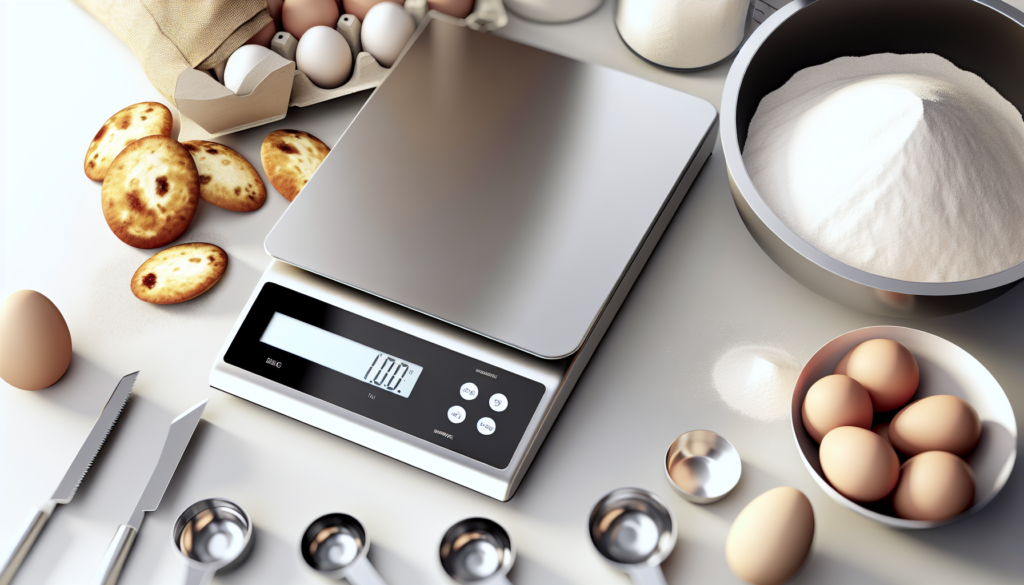
Accuracy in the kitchen plays a crucial role, especially for baking and portion control. Kitchen scales have evolved from basic mechanical models to feature-rich digital scales, making it easier to perfect recipes. In this article, we explore kitchen scale history, differences between mechanical and digital types, key features to consider, and tips for finding the best kitchen scales for your needs.
How Kitchen Scales Revolutionized the Art of Cooking
Before the advent of kitchen scales, cooks and bakers around the world relied heavily on estimate and instinct. Recipes often called for vague measures such as “a pinch,” “a handful,” or “a teacup,” and even in the early days of standardized cooking, weights and measures remained inconsistent. Precision was elusive, which posed significant challenges for anyone striving for consistent results—especially when it came to baking, where correct ratios are essential for successful outcomes.
The concept of weighing for trade and commerce traces back thousands of years, with primitive balance scales found in ancient civilizations like Egypt and Mesopotamia. These early devices compared the mass of ingredients to that of standardized weights, a method that, while more accurate than estimating by sight or feel, was still susceptible to human error and limitations in the weights themselves. Spring scales emerged in the 18th century, using a coiled spring’s resistance to measure mass, making the process faster and reducing some errors of the balance design. These scales remained the backbone of kitchen measurement for centuries.
With the gradual popularization of specialized kitchen scales in the 19th and 20th centuries, both professional chefs and home cooks started to take control over accuracy in their culinary ventures. Suddenly, every gram or ounce could be measured precisely, allowing for the rise of complicated pastries, artisanal bread, and delicacies that had previously been the domain of master craftsmen.
The real revolution, however, took hold with the introduction of digital kitchen scales near the turn of the 21st century. Trusted brands began to offer easy-to-clean, compact appliances that could toggle between metric and imperial units, accommodate tare functions, and deliver instantaneous measurements. The results? A transformation in food preparation, more successful baking, and a redefinition of quality control in the commercial food industry. The kitchen scale, once a simple tool, became indispensable, allowing for creativity and replicability like never before.
Types of Kitchen Scales and Their Key Differences
Kitchen scales today are available in two principal varieties: mechanical (analog) and digital. While both types serve the crucial role of accurately measuring ingredients, their operational mechanisms and user experiences are markedly distinct. Mechanical kitchen scales, which are often spring-based or balance-style, rely on physical movement to display weight—usually via a dial or pointer. When an item is placed on the platform, the force exerted compresses a spring, causing the needle to indicate the weight. This straightforward approach is inherently durable with few electronic parts to fail and often boasts a nostalgic aesthetic. Maintenance is minimal; occasional cleaning and calibration suffice. However, mechanical models have an inherent margin of error, especially in lower weight ranges, and are usually less precise, with readouts rounded to the nearest gram or fraction of an ounce.
Digital kitchen scales, by contrast, utilize electronic sensors (like strain gauges) that convert pressure from the item’s weight into an electronic signal, which is then translated into a numerical display—often in both metric and imperial units. The key advantages of digital scales are their fine precision, typically up to 0.1g, their fast response, and features such as tare functions and automatic shutoff. They are also easy to read, thanks to backlit displays. The downside is reliance on batteries and susceptibility to water damage or electronic malfunction.
Real-life scenarios showcase the differences: mechanical kitchen scales may be best for situations where durability is critical or when a power source is unavailable—such as in rustic kitchens or outdoor cooking. Digital kitchen scales, on the other hand, excel in precise baking, portion control, or when tracking dietary intake matters most. For anyone seeking the best kitchen scales, the choice ultimately hinges on accuracy needs, workflow, and personal preference.
Digital Kitchen Scales Modern Features and Advantages
Digital kitchen scales have evolved far beyond simple weight measurement, brimming with modern features aimed at elevating the precision of cooking and baking. Among these, the *tare function* stands out as an essential advancement—it allows users to reset the displayed weight to zero after placing a bowl or container on the scale. This permits straightforward and accurate weighing of multiple ingredients sequentially in a single vessel, streamlining both prep time and clean-up while minimizing errors from cumulative measurements.
Another sought-after feature is seamless *unit switching*. With just a button, users can alternate between grams, ounces, pounds, or even milliliters. This flexibility proves crucial when working with recipes from around the world, or when precise conversions are needed for particular dietary needs. Alongside unit selection, many top models offer *backlit displays*, ensuring numbers are easy to read in dim or crowded kitchens, preventing mistakes caused by misreading measurements.
The precision and consistency of digital kitchen scales largely stem from *advanced sensors*, often delivering accuracy down to a fraction of a gram. This level of fidelity becomes indispensable in situations where exactness decides outcome—think artisan bread baking, where flour and water ratios must be spot-on to achieve the perfect crumb, or in portion control for athletes or those managing medical diets. Small errors in these cases can mean a failed loaf or a nutritional imbalance.
By storing previous measurements, auto-shutdown features to conserve battery life, or even smart connectivity for tracking and logging, digital kitchen scales enhance overall convenience. They empower cooks to replicate results, adapt recipes with confidence, and consistently achieve perfect textures and flavors. When striving for culinary excellence or strict dietary management, digital accuracy is not just helpful—it is transformational.
How to Choose the Best Kitchen Scale for Your Needs
Selecting the best kitchen scale begins with understanding your unique cooking and lifestyle needs. Start by identifying the maximum weighing capacity you’ll need: for baking in bulk or weighing whole cuts of meat, a higher capacity—typically 11-15 pounds (5-7 kg)—is advisable. However, if you’re tracking coffee portions or spices, a smaller, ultra-precise scale is more suitable. Check that your chosen model switches effortlessly among measurement units—grams, ounces, pounds, or even milliliters for liquids—so there’s no need for manual conversions as you follow international recipes.
Evaluate platform size in relation to your cooking vessels. Oversized bowls on small platforms can obscure displays or cause inaccurate results, so opt for a model that accommodates your common mixing bowls comfortably. Readability is equally crucial: a bright, backlit display with large digits is best for busy or dimly lit kitchens. Consider a power source that aligns with your preferences; digital scales usually run on batteries or may offer USB charging, both having differing replacement costs and convenience factors.
Material and durability signal the build quality. Stainless steel platforms are both resilient and easy to clean, while tempered glass offers a sleek, hygienic alternative. Examine the overall construction—wobbly feet or lightweight plastic may be less robust for daily use. While budget scales abound, investing a bit more usually ensures better longevity and accuracy; most cooks find strong value in the $20-$50 price range.
For specific uses, coffee enthusiasts should select a scale with tenth-gram precision and a timer, while calorie counters may favor an included nutrition database or companion app. Reliable brands like OXO, Escali, and Hario are respected for consistent accuracy and thoughtful design. What sets the top models apart is a combination of stability, user-friendly controls, and responsive customer support, all of which help ensure flawless performance meal after meal.
Pro Tips for Using and Maintaining Your Kitchen Scale
Caring for your kitchen scale is crucial, especially if you’re keen on getting consistently precise measurements and ensuring your investment lasts. To begin with, always use your scale on a flat and stable surface for accurate readings—an uneven counter can throw off even the best digital kitchen scales. When handling, avoid dropping or bumping the scale, as internal sensors are delicate and can be knocked out of alignment.
Calibration is a vital yet sometimes neglected practice. Many digital kitchen scales come with an easy calibration function, usually requiring you to place a specific calibration weight (often 200g or 500g) on the platform. Check your manufacturer’s instructions and aim to calibrate your scale every few months, or more frequently if you move it around or notice inconsistent readings. This ensures that precision cooking remains hassle-free and reliable.
Cleanliness extends your scale’s life and performance. Always remove batteries or disconnect the device before cleaning. Use a slightly damp, soft cloth; never immerse the scale in water or allow liquids to seep into digital components. For stubborn residue, a bit of mild dish soap on the cloth suffices, but avoid harsh chemicals that can corrode the platform or display. Regular cleaning prevents food buildup and helps maintain weighing accuracy.
Storage is just as important as cleaning. Store your kitchen scale in a dry, cool spot, away from stoves and sinks. Avoid placing heavy objects atop the scale to prevent stress on the weighing mechanism. Most importantly, never overload the scale beyond its maximum capacity—this common mistake strains the sensors and risks permanent damage.
Establishing a routine for gentle handling, proper cleaning, safe storage, and periodic calibration secures long-term accuracy and reliability for all your culinary endeavors, whether you’re weighing flour for perfect bread or tracking coffee grounds for your morning brew.
Conclusions
A high-quality kitchen scale is an essential tool for accurate and consistent cooking results. By understanding differences between mechanical and digital options and considering modern features, you can choose the ideal scale for your culinary needs. Proper usage and maintenance will ensure longevity and precision, helping you enjoy reliable, delicious results with every meal.
For more similar reviews, visit mykitchenreview.com