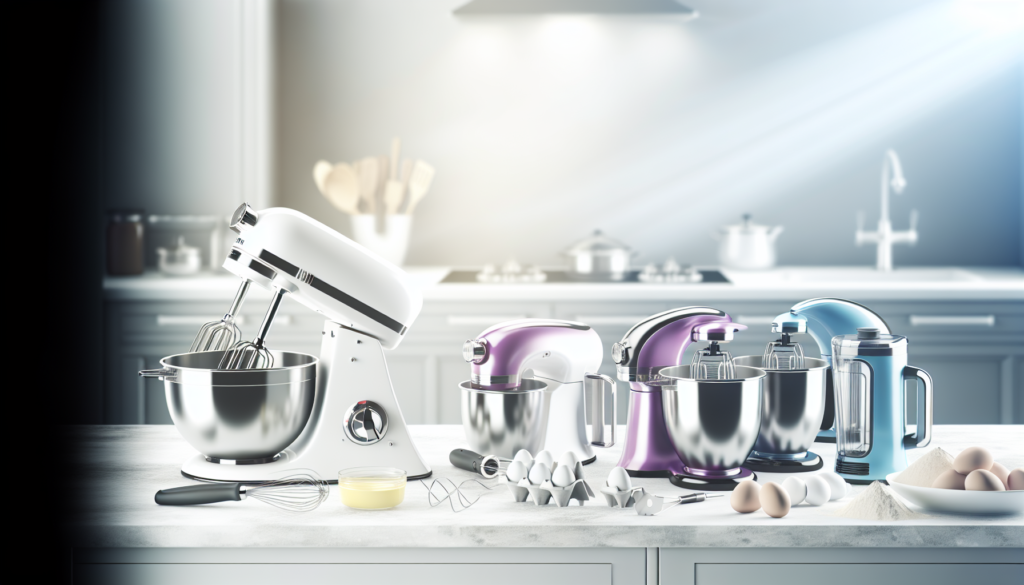
Kitchen mixers are the backbone of modern culinary convenience, offering power and versatility for every home chef. From the iconic KitchenAid stand mixer to handy hand mixers and innovative blenders, understanding their features and benefits can elevate your cooking and baking. In this article, we explore all the essential types, their uses, and tips to choose the perfect one for your needs.
The Evolution of Kitchen Mixers
Kitchen mixers have transformed from simple manual tools to sophisticated electric appliances, evolving alongside both domestic and commercial kitchen needs. In the mid-19th century, inventors like Ralph Collier set the stage with the first rotary eggbeater, revolutionizing home baking by making it easier to whip and blend. As demand for efficiency grew, further innovations followed: the 1885 patent by E.P. Griffith introduced a mechanical blending device, and then in 1908 Herbert Johnston, an engineer intrigued by bakers struggling to mix bread dough by hand, dreamed up a mechanical mixer that would swiftly change kitchens everywhere.
The arrival of electricity in homes set off a cascade of innovation. In 1919, KitchenAid released its first electric stand mixer, designed by Johnston himself. This mixer brought power and reliability, and soon, the idea of an electric kitchen mixer gained status as a must-have appliance for families and businesses alike. As production methods advanced, mixers like the KitchenAid and other brands became increasingly affordable and diverse. Households embraced smaller electric hand mixers for quick tasks, while robust stand mixers dominated bakeries and commercial kitchens.
Key distinctions set hand mixers and stand mixers apart. *Hand mixers* are portable, lightweight, and ideal for small jobs, such as whipping cream or beating eggs. *Stand mixers*, on the other hand, offer hands-free operation and extra power for kneading dough or mixing heavy batters—a feature that changed the way people baked at home. Over time, specialties like the *kitchen hand mixer*, *electric hand mixer*, *hand mixer blender*, and *stand mixer* were developed to serve both precise culinary tasks and batch cooking needs. The ability to blend, whip, and knead effortlessly made mixers indispensable, cementing their role as kitchen staples for both the amateur cook and professional chef.
Exploring KitchenAid Mixers and Their Enduring Legacy
Few brands in the world of kitchen mixers evoke the same sense of trust, nostalgia, and admiration as KitchenAid. Established in 1919, KitchenAid entered the public imagination with its Model H-5, the first home-use stand mixer inspired by industrial-grade designs. This early innovation set the tone for a legacy defined by both performance and aesthetic appeal. Unlike the early hand-cranked kitchen mixers, KitchenAid’s stand kitchen mixers introduced household cooks to a seamless blend of power and elegance, transforming time-consuming mixing chores into enjoyable, creative processes.
One of the defining features that set KitchenAid apart was the universal attachment hub, first introduced in the 1930s. This clever design allowed a single mixer base to power a wide array of accessories—from pasta rollers and food grinders to juicers and ice cream makers. It’s a modular approach that remains a gold standard for kitchen appliance versatility, allowing users to expand their culinary capabilities with just one motorized base. The iconic rounded silhouette and gleaming enamel finishes, which debuted in the 1937 Model K, have made KitchenAid mixers just as prized for their countertop presence as for their function.
KitchenAid’s consistent focus on user-centered innovation—from planetary mixing action that ensures thorough ingredient incorporation, to robust all-metal construction for lasting durability—has led to unwavering popularity among both amateur bakers and professional chefs. The kitchen mixers offer a unique blend of reliability and charm, making them ideal heirloom pieces often handed down through generations.
Today, the KitchenAid stand mixer is widely viewed as the ultimate kitchen “workhorse,” balancing adaptability with timeless style. It remains at the forefront of home mixing technology, inspiring passionate communities of users who continue to discover new ways these mixers support their culinary adventures. This enduring appeal explains why efforts to find the “best kitchen mixer” often start—and end—with KitchenAid.
Hand Mixers, Electric Mixers, and Their Modern Applications
Hand mixers and electric handheld mixers have staked their place in modern kitchens as indispensable companions to large stand mixers and blenders, particularly for their portability, compact size, and ease of use. While the KitchenAid stand mixer remains iconic for its power and versatility, hand mixers—such as the KitchenAid hand mixer and other top brands—excel in scenarios where quick setup or batch flexibility are key. For instance, electric hand mixers shine when whipping cream, making meringue, or blending cake batter directly in a bowl, because they’re easier to maneuver and store. Their lightweight build and straightforward design make them less intimidating and more approachable for everyday tasks.
A major distinction lies in the physical effort required: hand mixers demand constant attention, as you guide the beaters through your mixing bowl, remaining agile when ingredients splatter or require different speeds. Typically, these devices offer multiple speed settings and a variety of attachments—such as dough hooks or mini whisks—bringing surprising range despite their small size. Hand mixers also offer unmatched convenience in small kitchens, taking up much less counter or storage space than a stand mixer or blender.
Electric hand blenders, sometimes called immersion blenders or stick blenders, extend this versatility further. With their slim design, they blend soups right in the pot, emulsify salad dressings, or purée small batches of baby food without dirtying extra bowls. However, neither hand mixers nor electric hand blenders match the raw mixing power or dough-handling capacity of a robust stand mixer—especially needed for heavy bread dough or large batches.
Choosing between these tools depends on your cooking habits. For light, quick tasks, or if you’re short on workspace, a quality electric hand mixer or immersion blender may be all you need. For larger or more complex bakes, the stand mixer remains unmatched in both efficiency and output.
The Versatility of Blenders and Stand Mixers
Blenders and stand mixers both hold a central role in a well-equipped kitchen, but their strengths lie in distinctly different culinary tasks. *Blenders*—most often countertop or high-performance models—excel at liquefying and puréeing. They easily handle smoothies, milkshakes, soups, sauces, and even crush ice for frozen drinks. Some advanced blenders can even create hot soups through sheer friction. In contrast, *immersion blenders* (also called stick or hand blenders) offer convenience for puréeing soups or sauces directly in the pot, ideal for quick blending or emulsifying dressings and salsas without transferring between containers.
Choosing between a blender and a stand mixer revolves around your cooking style and preferred recipes. Use a blender for anything requiring smooth, lump-free results or for breaking down fruits and vegetables. Stand kitchen mixers, however, shine for baking—mixing batters, whipping creams, and kneading doughs far beyond the capabilities of electric hand mixers or standard blenders.
Practical considerations include available kitchen space, frequency of use, and desired capability for expansion. A KitchenAid mixer might be the centerpiece for heavy bakers due to its robust build and attachment ecosystem, while a quality countertop blender or a nimble hand blender might suit those focused on daily smoothies and pureed dishes. Each appliance finds its niche, supporting both routine tasks and ambitious kitchen projects.
How to Select the Best Mixer or Blender for Your Kitchen
Selecting the best mixer or blender for your kitchen starts with evaluating your personal cooking style and most frequent kitchen tasks. For avid bakers, a stand mixer such as a KitchenAid mixer offers generous mixing capacity and powerful motors, making it an excellent choice for kneading bread dough or whipping large batches of batter. Pay close attention to the bowl size—most home bakers are satisfied with a 4.5- to 5-quart capacity, but larger models suit those baking in bulk. Consider the power rating as well: higher wattage often translates to smoother, more consistent results, especially when working with dense mixtures.
Hand mixers and electric hand mixers excel in smaller kitchens or for cooks who prefer lightweight, easily storable appliances. Prioritize kitchen mixers with variable speeds and comfortable ergonomic handles. The best hand mixer or a KitchenAid hand mixer offers a blend of portability and power, ideal for whipping cream or beating eggs in a flash. If your kitchen routine includes pureeing or blending soups and smoothies, a hand blender or a classic blender might be your best bet. Assess motor strength, blade quality, blending capacity, and whether the appliance is easy to disassemble for cleaning.
When comparing brands, focus on durability, warranty, and user reviews. Ask yourself: What dishes do I make most often? How much space do I have? Do I need versatility or specialization? Investing in the right mixer can streamline meal prep, expand your recipe repertoire, and make your kitchen a place of culinary creativity.
Conclusions
In summary, understanding the history, types, and practical uses of kitchen mixers and blenders empowers you to make the best choice for your culinary needs. From the trusted strength of KitchenAid stand kitchen mixers to flexible hand kitchen mixers and powerful blenders, each tool brings unique advantages to your kitchen. Choose wisely, and let your mixer inspire creativity and efficiency in your cooking.
For similar reviews like this, visit mykitchenreview.com