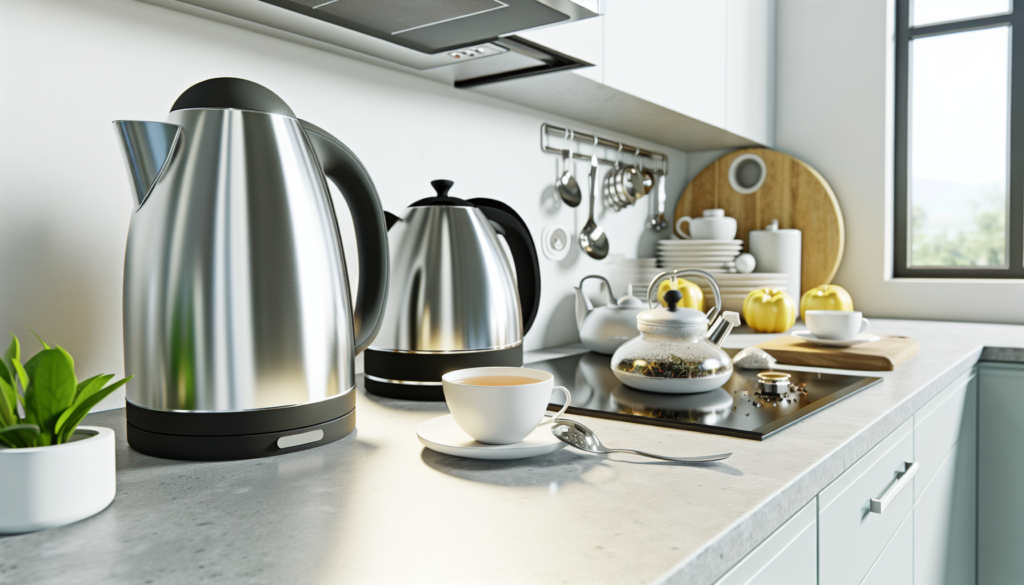
Kettles are essential kitchen tools for boiling water, especially when preparing tea or coffee. With the evolution from classic stovetop designs to modern electric ones, choosing the perfect option can seem daunting. In this article, we explore the history, types, advantages, and key criteria to select the best electric kettle and water kettle for your everyday needs.
The History and Evolution of the Kettle
The kettle, in its many forms, has accompanied human civilization for centuries, evolving in tandem with our discoveries in metallurgy, energy, and culinary art. Its lineage can be traced back to early metalworks, with ancient cultures using bronze, copper, and later iron pots to heat water over open fires. The word “kettle” itself comes from the Old Norse “ketill,” related to the Latin “catillus,” meaning a small bowl or cooking vessel — a testament to its longstanding role at the heart of domestic life.
By the 17th century, tea-drinking rituals in Asia and Europe fostered further innovation, leading to the recognizable squat-bodied, lidded tea kettle. The traditional stovetop kettle, commonly made of copper or later stainless steel, became a fixture in kitchens everywhere, its whistle signaling communal gatherings or quiet moments of respite.
The electrification of homes in the late 19th to early 20th century was a technological watershed for kitchenware and saw the emergence of the first electric kettles. In 1891, the Crompton & Co. of England introduced one of the earliest electric models, although it was cumbersome, with the heating element external to the water chamber. By the 1920s, engineers devised submerged heating elements, dramatically improving efficiency and safety. The automatic shut-off — first patented in the 1950s — transformed kettles from simple boiling devices into intelligent, time-saving appliances, eliminating over-boiling and making water heating safer and more convenient than ever.
Today, whether labeled as tea kettle, electric tea kettle, water kettle electric, or simply best kettle, these humble vessels embody a fascinating marriage of tradition and innovation. Their journey reflects our evolving lifestyles, adapting to every era’s tastes while continuing to sustain the universal ritual of brewing the perfect cup.
Types of Kettles: Stovetop vs Electric
The modern kitchen offers a variety of choices when it comes to water appliances, chiefly divided between traditional stovetop and electric models. Each style encompasses distinct construction methods and features tailored to different brewing preferences and household needs.
Stovetop kettles are crafted from materials such as stainless steel, copper, or even glass. Stainless steel appliance are highly prized for their durability, resistance to corrosion, and easy maintenance, while copper appliance offer exceptional heat conductivity and a classic appearance, often favored by tea enthusiasts. Stovetop kettles are typically designed with a comfortable handle and spout, and many include an audible whistle that signals when the water has reached boiling—an iconic feature valued for its simplicity and charm. The heating process is straightforward: fill the kettle with water, place it over a stove burner, and wait for the whistle. This appliance work with most types of stoves, including gas and induction, provided the base is compatible.
In contrast, electric kettles have surged in popularity due to their convenience and efficiency. Built with an integrated heating element—usually concealed under stainless steel or plastic—they can rapidly boil water with the simple push of a button. Many electric kettles offer specialized features such as automatic shut-off, boil-dry protection, and variable temperature settings suitable for brewing different teas or preparing coffee. The construction often combines glass, stainless steel, or BPA-free plastics, balancing aesthetics with functionality. Some feature cordless designs with a 360-degree base for effortless lifting and pouring.
Stovetop models appeal to those who appreciate traditional rituals or have minimal electrical outlets, while electric kettles cater to busy households needing speed, precision, and extra safety features, particularly with young children or multitasking cooks. Each brings its distinct benefits to the art of boiling water, whether for tea, coffee, or cooking.
Benefits and Innovations in Electric Kettles
Electric kettles have rapidly transformed the simple task of boiling water into a more precise and convenient experience, thanks to significant advancements in their design and technology. Among the foremost benefits is **energy efficiency**; modern electric tea heat water directly via a concealed element, dramatically reducing heat loss compared to stovetop models. This targeted heating enables faster boiling times, often boiling a full liter in under three minutes, making them especially valuable for busy households or workplaces.
**Innovative features** distinguish today’s best electric kettles from their traditional counterparts. Precise temperature control, now standard in high-end models, allows users to select the exact target temperature for a specific type of tea or coffee, preserving delicate flavors and preventing scalding. This stands in contrast to stovetop and basic water kettles, which lack such versatility and can easily overboil water, potentially damaging more nuanced brews.
Another notable innovation is the **cordless base**. They also typically include **automatic shut-off** and **boil-dry protection** as essential built-in safety features, preventing overheating and accidental boils, a significant benefit over stovetop options which may require constant supervision.
Comparatively, while traditional water kettles (including non-electric ones) offer a classic aesthetic and functional simplicity, they rely on external heat sources and manual monitoring, which can be less efficient and safe. Electric ones excel in performance, offering programmable features and advanced materials that resist scale buildup and make cleaning easier. Altogether, these innovations have established electric kettles as the preferred choice for many, especially for those who value speed, convenience, and precision in their daily routines, setting the stage for a deeper examination of what to look for when selecting the best one for your home.
Key Features to Look for in the Best Electric Kettle
When evaluating a tea, electric tea or water kettle for your home, several key features distinguish the best electric one from basic models. First, *capacity* is essential. While compact 1-liter options suit individuals or couples, families or frequent entertainers may prefer a 1.7-liter or larger.
Boiling *speed* makes a difference in busy households. Look for the ones with high wattage (at least 1500W), as these will boil water faster, saving you precious minutes during morning routines or gatherings. Material quality also plays a vital role; stainless steel and borosilicate glass kettles offer durability and resist scaling and off-flavors, while BPA-free plastic options can be lightweight and cool to the touch. Examine the handle—an ergonomic, heat-resistant grip provides comfort and safety when pouring.
*Ease of cleaning* is often underestimated but crucial. Wide lids and removable filters make descaling and rinsing effortless, extending your ketle’s lifespan. Consider models with concealed heating elements, which simplify cleaning and reduce lime buildup.
*Temperature presets* are increasingly popular, especially for tea connoisseurs and coffee enthusiasts. Variable temperature controls let you brew green teas, herbal blends, or coffee at their ideal temperatures, preserving their delicate flavors.
Safety should never be overlooked—check for features such as automatic shut-off, boil-dry protection, and secure, locking lids. A cordless base and 360-degree swivel make it easier to lift and replace the appliance from any angle, supporting both right- and left-handed users.
Durability often correlates with a trusted brand and robust construction, but pay special attention to warranties and user reviews for insights into long-term performance. Select a ketle that offers a balance of capacity, efficiency, and smart features suited to your household’s habits, ensuring both practicality and pleasure in every use.
How to Select the Ideal Kettle for Your Household
Choosing the ideal appliance for your household begins with a clear understanding of your daily habits and the needs of everyone in your home. For those who rush through their mornings, a fast-boiling electric tea kettle can be a game-changer. Models with rapid heating elements and large capacities allow you to prepare hot beverages or breakfast staples swiftly. In contrast, if you savor long, peaceful tea sessions, a classic stovetop tea kettle—often with a charming, traditional design—might enhance these moments. Stovetop ketles invite a sense of ritual, rewarding patience with their melodic whistles.
Beyond your routine, your kitchen’s size and style are vital considerations. Compact water ketles or streamlined electric designs make sense for smaller spaces or minimalist aesthetics, freeing up valuable countertop real estate. In larger kitchens—or homes where entertaining guests is frequent—a high-capacity electric kettle or an eye-catching designer model can become both a useful appliance and a visual focal point.
Comparing these types reveals distinct benefits. This appliance typically excel in speed, safety features, and precision controls, making them versatile for coffee, tea, and even instant meals. On the other hand, often offer more robust materials and can last decades with proper care, making them an appealing choice for sustainability-minded households.
Conclusions
In summary, understanding the evolution, types, and modern innovations of kettles is essential for making an informed choice. Whether you love the charm of a classic stovetop tea kettle or seek the convenience of the best electric one, considering your needs and key features will ensure daily satisfaction. Make your next water ketle purchase with confidence and a clear idea of what truly matters.
Visit mykitchenreview.com for more.