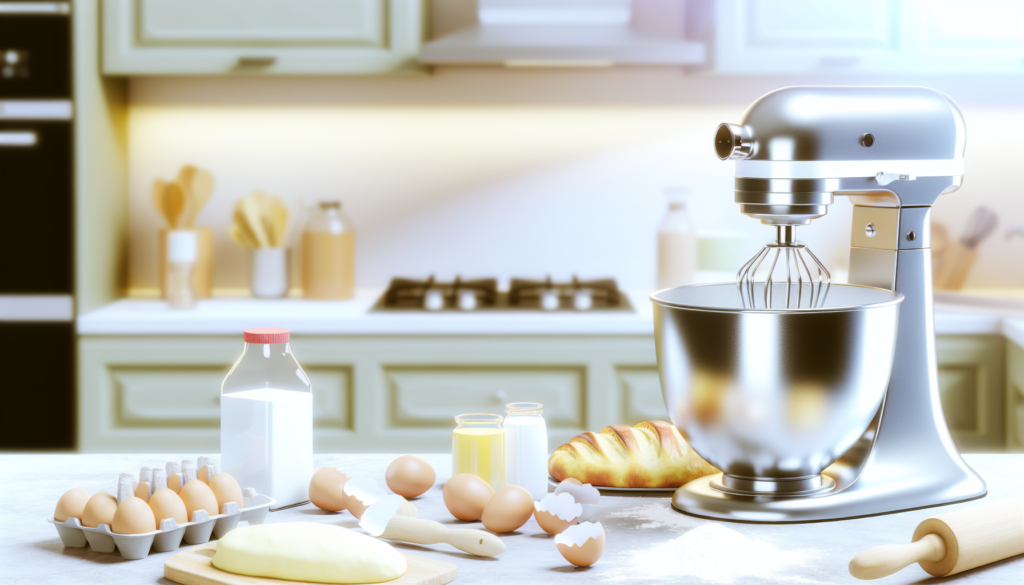
KitchenAid stand mixers have become an integral part of home baking and cooking, celebrated for their functionality, iconic design, and versatility. This article delves into the history, unique features, advantages, and essential tips for getting the most out of a KitchenAid stand mixer, guiding both beginners and passionate bakers to make informed choices and achieve outstanding culinary results.
The Legacy and Innovation Behind KitchenAid Stand Mixers
The legacy of KitchenAid stand mixers is deeply woven into the fabric of the modern kitchen, beginning with a vision for convenience and innovation that dates back over a century. The journey started in 1919 when the original KitchenAid stand mixers, the Model H-5, was introduced. This pioneering appliance was designed to simplify the home baking process, earning praise from its earliest users—one of whom famously said, “I don’t care what you call it, it’s the best kitchen aid I’ve ever had.” This remark inspired the now-iconic brand name.
During the 1930s, the brand underwent a transformative era thanks to industrial designer Egmont Arens. Arens’ visionary approach resulted in the streamlined silhouette of the Model K, a design so enduring that its distinctive curves and planetary mixing action remain largely unchanged today. The Model K’s innovative features, such as its unique bowl-lift and tilt-head mechanisms, enabled effortless transitions between recipes and ingredients, quickly making the KitchenAid stand mixer a must-have for ambitious home bakers.
Over the decades, KitchenAid stand mixers continued to evolve through both design enhancements and technological innovations while maintaining a steadfast commitment to quality and reliability. In the post-World War II period, the mixer’s reach expanded dramatically, cementing itself as a fixture within American households. The acquisition of KitchenAid by Whirlpool Corporation in 1986 infused the brand with fresh resources, accelerating research, development, and accessibility without sacrificing the craftsmanship that set these appliances apart.
This commitment to form and function has made KitchenAid stand mixers more than just tools—they’ve become design statements, status symbols, and cherished family heirlooms. Their versatility and iconic appearance have shaped kitchen culture globally, encouraging generations of home cooks to embrace the pleasures and possibilities of baking with a truly exceptional appliance.
Understanding Stand Mixers and Their Place in the Modern Kitchen
The technological transformation of the stand mixer has revolutionized home baking, turning what once required painstaking manual labor into an endeavor of precision, consistency, and creativity. The KitchenAid stand mixer typifies this evolution, standing apart from its predecessors and contemporaries like hand mixers and traditional egg beaters. The most significant difference lies in *design and engineering*. While an egg beater relies exclusively on manual power, and a hand mixer delivers modest electric assistance but still relies on your arm for movement and control, a KitchenAid stand mixer is self-supporting, freeing up both hands for ingredient preparation or multitasking in the kitchen.
A core attribute of the KitchenAid stand mixer is its *planetary mixing action*. Unlike basic mixers, which rotate beaters within a stationary bowl, the KitchenAid’s attachment moves in one direction while the drive shaft spins the other, ensuring that every area of the bowl is reached. This means doughs, batters, and mixtures are incorporated far more thoroughly and efficiently. In contrast, some commercial units use a spiral mixing action, especially beneficial for hefty doughs, but in the home context, KitchenAid’s planetary system ensures versatile, high-quality results for everything from delicate whipped cream to dense bread dough.
*Power* is another differentiator. Stand mixers boast robust motors capable of sustained operation, tackling thick or large batches that would quickly overwhelm a hand mixer’s lighter mechanisms. Their stable base and bowl-locking systems enable the kind of heavy-duty work—kneading bread, churning pasta dough, or beating thick batters—that smaller appliances struggle to endure.
For bakers and home cooks seeking consistent quality, efficiency, and an expanded repertoire, the stand mixer’s engineering innovations—*from powerful motors to planetary action*—elevate it far above its origins and its more simplistic counterparts, securing the KitchenAid mixer’s place as an essential, versatile tool in the modern kitchen.
Exploring KitchenAid Mixer Features and Attachments
At the heart of every KitchenAid stand mixer is a trio of essential tools that form the backbone of its baking prowess: the wire whisk, the dough hook, and the flat beater. Each of these attachments is designed for a specific function. The wire whisk, composed of thin but sturdy metal wires, excels at aerating mixtures—perfect for whipping cream to stiff peaks or incorporating air into egg whites for fluffy meringues. The dough hook, often shaped like a spiral or a simple hook, kneads bread and pizza dough with ease, simulating the motion of hand kneading but with the efficiency and consistency that only a powerful kitchen stand mixer can offer. The flat beater is perhaps the most frequently used, ideal for mixing batters, cookie dough, mashed potatoes, and even shredding cooked chicken.
Modern KitchenAid stand mixers , however, are masterpieces of versatility, thanks to a growing collection of optional attachments. The universal power hub, a revolutionary feature first introduced in the 1930s, allows users to transform their stand mixer into a multipurpose kitchen machine. This hub fits a wide array of attachments, including pasta rollers, food grinders, vegetable spiralizers, and ice cream makers. Each accessory efficiently harnesses the power of the KitchenAid stand mixers motor, expanding the appliance’s functionality far beyond baking.
A notable advantage of the KitchenAid stand mixers design is the remarkable backward compatibility of these attachments. Even decades-old mixers generally accept today’s accessories, making early units as relevant and functional as modern models. This long-standing commitment to universal compatibility ensures an enduring value: once you invest in a KitchenAid mixer, your kitchen can evolve around it, gaining new abilities without the need for frequent upgrades or substitutions. With this array of accessories, a stand mixer becomes the cornerstone of both daily cooking and ambitious culinary adventures.
Selecting the Ideal KitchenAid Stand Mixer for Your Needs
Selecting the right KitchenAid stand mixer for your kitchen is a rewarding process that involves more than picking a favorite color. Start with considering how much you bake and cook, as this will help in choosing the appropriate bowl size and mixer power. If you’re an occasional baker whose focus is on cookies and cakes, a 4.5-quart or 5-quart model, such as the KitchenAid stand mixer Classic or Artisan series, might suffice. However, if you often prepare larger batches or denser doughs—like bread or pizza—the Professional series, offering up to a 6-quart or 7-quart bowl and a more powerful motor, will be better suited.
Power is a critical factor; heavier tasks like kneading bread benefit from the robust motors in higher-end KitchenAid stand mixers. Bowl-lift models, found in the Professional line, add stability and capacity for ambitious bakers, while tilt-head mixers offer easy access and compact storage—ideal for smaller kitchens and lighter needs.
Aesthetics shouldn’t be overlooked. KitchenAid offers a spectrum of colors, from classic Empire Red to sleek Matte Black, enabling you to personalize your kitchen. The mixer can function as both a tool and a statement piece.
Take into account the footprint of each model to ensure it fits your counter or cabinet space. Also, think about how frequently you’ll use the mixer: daily users will appreciate the sturdiness of a Professional model, whereas sporadic bakers might prefer the Classic for ease of maneuvering and storage.
Make a list of your most common recipes and batch sizes to guide your selection. If you anticipate expanding your culinary repertoire—perhaps exploring bread baking or pasta making—a larger and more powerful mixer may offer the versatility you need to grow into. Balancing performance, style, and your unique kitchen rhythm will ensure you choose a KitchenAid stand mixers that complements your cooking journey.
Tips for Maximizing Performance and Longevity
To ensure your KitchenAid stand mixer delivers exceptional performance and endures for years, adopting the right practices is essential. Begin by always starting mixes at the lowest speed, gradually increasing to the desired level—this minimizes ingredient splatter and reduces motor strain. When handling dense doughs like bread, avoid running the mixer for extended periods at high speeds, as this can overheat the motor. Instead, allow the machine short breaks to cool if mixing in large batches.
When attaching accessories, make sure your KitchenAid stand mixer is both off and unplugged. Secure attachments firmly, ensuring the spring-loaded mechanism clicks or locks in place, and double-check by gently tugging before mixing. After each use, detach accessories immediately; this prevents dough or batter residue from hardening and becoming difficult to remove. Wash all attachments in warm, soapy water, drying thoroughly before storing—dishwasher-safe pieces should be checked for compatibility as not all versions share this feature.
For cleaning the mixer’s body, use a soft, damp cloth to wipe away spills and flour dust—never submerge the main unit or let moisture enter the vent openings. Pay special attention to the area around the attachment hub and bowl lift or tilt-head mechanisms, where ingredients might collect. Store your stand mixer on a stable, dry surface, ideally covered to prevent dust buildup. If space allows, keep the bowl and attachments nearby for convenience, but avoid stacking heavy items atop the mixer.
Should you notice excessive vibration, odd noises, or performance drops, confirm the bowl and attachments are correctly seated and not overloaded. Periodically check the beater-to-bowl clearance adjustment using a dime test: a dime placed in the bowl should move slightly as the flat beater passes over it. Adjustment information is available in your user manual. For replacement parts or support, consult the KitchenAid website or authorized retailers. Customer service is responsive—don’t hesitate to reach out with serial numbers handy for efficient assistance.
Conclusions
KitchenAid stand mixers combine vintage heritage with modern versatility, making them a wise addition to any home kitchen. By understanding their rich history, unique features, and practical maintenance, users can harness their full potential for creative cooking and baking. A well-chosen, well-cared-for KitchenAid stand mixers delivers reliability and inspiration for countless culinary adventures.
Visit mykitchenreview.com for similar reviews.