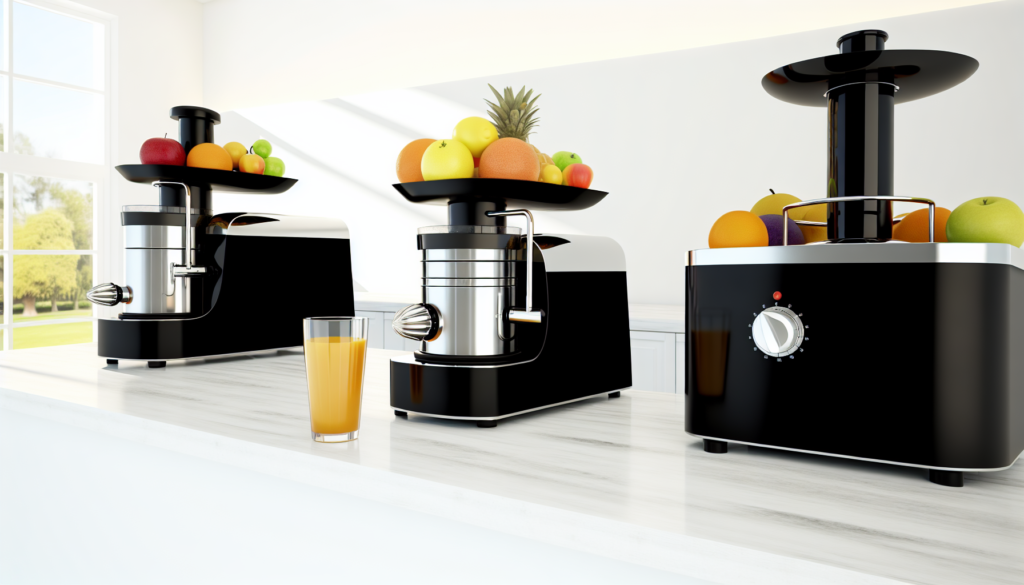
Juicing has become a staple in healthy lifestyles, and the technology behind juicers—from modern cold-press machines to traditional iron cast presses—continues to evolve. Understanding what makes a juicer the best fit for your kitchen requires knowing the differences between centrifugal, masticating, and hydraulic press models, as well as exploring standout brands like Nama and Ninja. Let’s dive into the world of juicing for optimal wellness.
Understanding the Types of Juicers
A wide variety of juicer machines exist, each bringing unique mechanisms and qualities to the task of extracting fresh juice at home or for commercial use. Among the most common are centrifugal, masticating (or cold press), triturating (twin-gear), steam juice extractors, and manual press juicers, especially classic iron cast or hydraulic models.
These machines are typically affordable and fast, making them a convenient choice for busy households. However, their high-speed operation introduces heat and oxygen, which can degrade sensitive vitamins, enzymes, and phytochemicals. Additionally, juice yield from centrifugal juicers is often lower, and the resulting juice tends to separate rapidly if not consumed immediately.
In contrast, masticating—or cold press—such as the highly regarded Nama, employ an auger to slowly crush fruits and vegetables before pressing the pulp, minimizing heat buildup. This method produces higher yields and results in juice that retains more nutrients, flavor, and fresh color. Cold press are especially preferred for leafy greens and wheatgrass, outperforming centrifugal designs in these areas.
Triturating juicers, or twin-gear models, go a step further by using dual gears to crush and grind produce into a fine pulp before extracting juice. This method maximizes nutrient retention and juice yield, often favored by health enthusiasts and commercial juice shops aiming for a premium product.
Manual presses, typically iron cast juicers or hydraulic models, use mechanical force to compress produce without generating heat. Iron juicer machines, time-tested in design, are extremely durable and trusted for citrus and pomegranate juicing. Hydraulic juice presses, popularized by brands like Norwalk, offer unmatched nutrient preservation and yield, especially valued for raw food diets.
Steam juice extractors, a less common household option, use heat to release juice, making them more suitable for canning fruit juices rather than fresh daily consumption.
Scientific findings confirm that juicer type significantly impacts juice quality, nutrient levels, and shelf life. Cold press, twin-gear, and manual hydraulic juicers consistently outperform centrifugal models in nutrient preservation, taste, and overall yield, making them the top recommendation for those seeking the healthiest and most flavorful juices.
How Cold Press Juicers Work and Their Benefits
Cold press juicers, use a unique two-stage cold pressing method that carefully extracts juice while retaining the highest possible levels of nutrients and flavor. In the first step, fruits and vegetables are slowly crushed or shredded by an auger or pressing screw. This initial breaking down of produce occurs at a low speed, which minimizes heat generation and initial oxidation. The pulp is then transferred to the hydraulic press stage, where intense pressure is applied to thoroughly extract juice from the pulp. Unlike high-speed centrifugal, this cold, gradual process doesn’t whip oxygen into the juice, which is crucial for preserving sensitive phytochemicals and micronutrients.
Scientific studies consistently indicate that cold-pressed juice contains higher levels of vitamin C, polyphenols, and enzymes than juice made with heat-producing or high-speed juicing methods. Increased retention of antioxidants and micronutrients in cold-pressed juices means you get more health-promoting compounds per glass. Additionally, the lower oxidation levels help cold-pressed juice retain its vibrant color and fresh taste for several days when stored properly—typically extending the refrigerated shelf life to 48–72 hours, compared to just a few hours for conventional juice.
Reviewing Top Juicer Brands: Nama, Ninja, and More
Among the most influential juicer brands, Nama and Ninja have risen above the noise, each representing distinct philosophies in juice extraction and machine engineering. Nama J2 Cold Press Juicer, for example, has earned a devoted following for its commitment to cold-press technology, emphasizing nutrient preservation and juice purity. Founded with a mission to make healthful living more accessible, Nama has invested extensively in user-centric design—ergonomic components, easy assembly, and sleek aesthetics. Their product range, such as the Nama J2 Cold Press Juicer, exemplifies the modern shift toward home-friendly hydraulics. Nama’s cold-press machines stand out for their robust motors, efficient augers, and BPA-free, food-grade materials that ensure longevity and safety.
On the other hand, Ninja Cold Press Juicer Pro brings a different expertise, leveraging its well-known prowess in kitchen appliance innovation. The Ninja Cold Press Juicer Pro incorporates advanced blade and mesh technology to rival pricier hydraulic systems at a more accessible price. Ninja’s design philosophy revolves around versatility—machines that can interchangeably handle whole-fruit juicing, smoothies, and food processing, appealing to busy households seeking value and ease-of-use. Materials range from high-grade plastics to stainless steel elements, focusing on durability without sacrificing weight or convenience. Ninja’s intuitive controls, easy-clean mechanisms, and compact forms reinforce their reputation for practical, everyday reliability.
Both brands distinguish themselves in manufacturing quality: Nama through meticulous assembly and premium-pressure components for optimal cold pressing; Ninja by precision engineering and high-volume production standards. This has fostered enthusiastic consumer communities, with Nama praised for juice quality and durability, and Ninja acclaimed for affordability and multifunctionality. In the broader market, traditional iron cast juicers and hybrid machines also remain valued, especially for their unmatched durability and manual force, leading into the next exploration of how such heavyweight machines elevate juice clarity, extraction yield, and flavor nuance.
The Role of Iron Cast and Hydraulic Juicers in Juice Quality
Iron cast and hydraulic juicers represent a pinnacle in the science of juice extraction, especially prized by those seeking the utmost in juice clarity, flavor, and nutrition. Their robust construction, often crafted from heavy-duty cast iron, enables unmatched durability and stability during pressing. The mechanical advantage provided by their build ensures a slow, forceful press that effectively maximizes juice yield from both dense fruits like apples and fibrous leafy greens, surpassing many standard electric options.
Press juicers in this category can be manual or electric. Manual iron cast echo a classic, hands-on ritual, employing a large handle or screw mechanism. The user applies steady pressure, gradually squeezing out juice while minimizing heat and oxidation. This careful extraction process results in a clean, pure liquid with vibrant color and impressive clarity. By introducing minimal air, these ones limit nutrient degradation, preserving the vitamins, enzymes, and phytonutrients that make fresh juice so desirable. For leafy greens, the slow pressing style prevents foaming and maintains both taste and nutritional integrity—features that distinguish cold press and hydraulic machines from rivals.
Electric hydraulic presses, such as some high-end Nama juicer and iron juicer models, automate this process with powerful motors and sophisticated filtering screens. Their stable, cast iron frames counteract vibration, enhancing efficiency even with dense produce. Compared to centrifugal models like some from Ninja juicer lines, iron cast and hydraulic units yield juice that is less oxidized and free from pulp, with a consistency closer to fresh-pressed juice from a juice shop.
These qualities make iron cast and hydraulic juicers highly valued by enthusiasts dedicated to superior taste and nutrition. While their weight and manual options require more setup and counter space, their performance—especially for apples, leafy greens, and other tough ingredients—secures their place in the homes of serious juice devotees.
How to Choose the Best Juicer for Your Needs
Selecting the best juicer for your needs is all about matching your aspirations, kitchen habits, and favorite produce with the right technology. First, reflect on your intended usage. If you crave a glass of fresh, nutrient-rich juice every morning, investing in a cold-press juicer may make the most sense. The latest models, like the Nama machine, gently crush fruits and vegetables, preserving delicate vitamins and enzymes. Their superior yield and quiet operation make them popular for daily wellness routines. For heavy-duty use, such as juicing large batches or for commercial purposes, a hydraulic or iron cast juicer delivers extraordinary durability and extraction power.
Cleaning and storage should not be overlooked. While some high-end juicer machines boast self-cleaning mechanisms, traditional iron cast models require a bit more elbow grease. Compact options like the Ninja juicer appeal to those with limited counter space and an eye for convenience.
Finally, set a realistic budget. Brand reputation matters—Nama, Ninja, and established names in the iron juicer sphere all offer warranties, customer support, and proven track records. When balancing cost, features, and long-term reliability, prioritize the qualities that align with your lifestyle to secure the best juicer for your home.
Conclusions
Choosing the right juicer involves balancing personal wellness goals with technology, durability, and ease of use. From nutrient-rich cold-pressed juice to robust cast iron juicers, today’s market offers solutions for every preference and need. Armed with knowledge about brands, mechanics, and nutritional benefits, readers are now empowered to select the machine that best enhances their lifestyle.
Visit mykitchenreview.com for more!