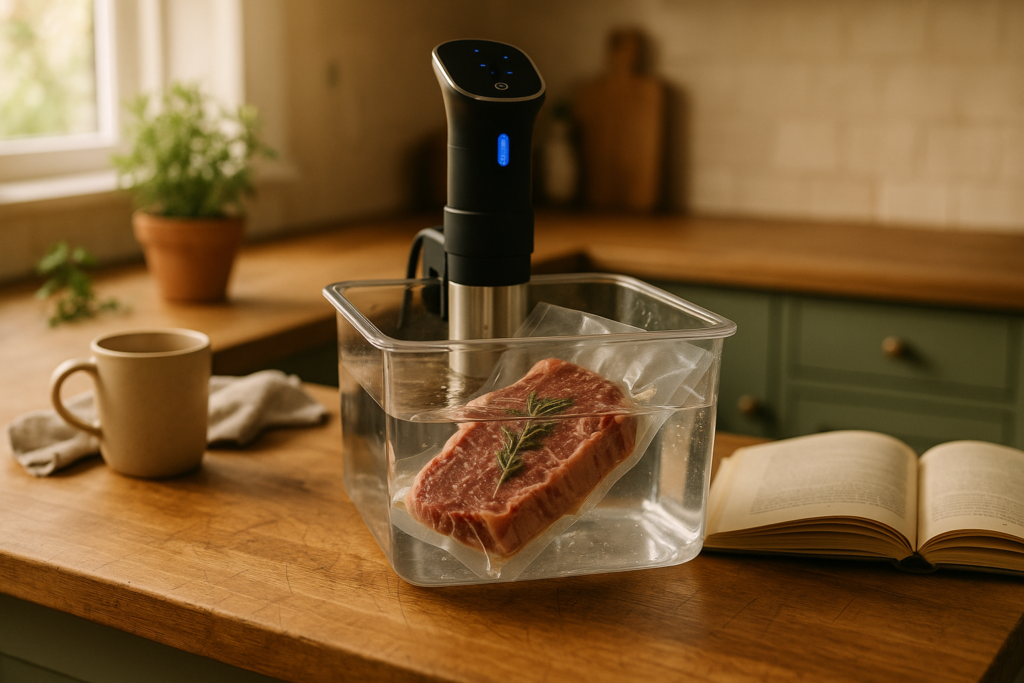
Recipes for sous vide have revolutionized home cooking, but finding truly foolproof dishes can feel overwhelming. Struggling with dry chicken or lackluster steak? You’re not alone! In this post, I share my favorite and the best sous vide recipes for unbeatable taste and texture, plus the smartest gear for beginners and experts. Whether you crave restaurant-quality steak, juicy sous vide chicken, or crave creative meals, you’ll unlock smart tips and honest reviews to make every cook a confidence boost. Get ready to transform weeknight dinners with science-backed methods that deliver delicious, consistent results—every single time.
What Is Sous Vide Cooking and Why It Matters
Ever wondered why restaurants serve steak that’s perfectly medium-rare from edge to center? The secret is sous vide cooking. In my kitchen, sous vide delivers meats and veggies at exactly the doneness I want, every single time. By sealing food in a vacuum bag and immersing it in a precisely heated water bath—usually between 129–140°F for steak—heat moves gently and evenly through the entire piece. For instance, the Anova Precision Cooker makes it effortless to keep temps steady to the degree.
The real magic behind the best recipes for sous vide is precision temperature control. With traditional grilling or roasting, heat comes from the outside in. This makes it easy to overcook edges or dry out lean proteins like chicken breast. But with sous vide, food never goes above the set water temp. That’s why my sous vide chicken recipes always turn out juicy, never rubbery or stringy.
Cooking sous vide isn’t just about impressive results for steaks and chicken. It’s also a win for food safety. Holding chicken at 140°F for 27 minutes in a water bath (with an immersion circulator like the Breville Joule) fully pasteurizes it. That’s something even a high-end oven can’t promise unless you babysit a thermometer. Plus, sous vide lets you prep ahead and finish proteins quickly with a sear for the best flavor and crust.
Some buyers worry sous vide is too “fancy” or will make everything mushy. In my experience, recipes for sous vide actually make cooking less stressful. You can’t “overcook” by hours, and even beginners get restaurant-worthy results. Watch out, though: skipping the finishing sear or choosing cheap vacuum bags (which may leak) can spoil your effort.
Sous vide is shaking up home kitchens for a reason—with better texture, consistent doneness, and foolproof safety. Next, I’ll show you which features really matter before you buy your own sous vide machine.
Key Features to Look For Before Buying a Sous Vide
When searching for the best sous vide device, I always check the power first. A model with at least 1000 watts, like the Anova Precision Cooker Pro, heats water faster and maintains temperature better during long cooks. If you often do large cuts or batch cooking, you’ll appreciate this extra speed.
Water capacity affects both versatility and how many portions you can cook. From my experience, units that handle at least 5 gallons—such as Breville Joule Sous Vide—allow you to prep family meals or bigger sous vide steak feasts without worrying about temperature drop.
Temperature accuracy is crucial for achieving consistently juicy results. Look for models with a margin of error within ±0.1°F. I once tried a generic stick that fluctuated by 3°F—the difference between perfect sous vide chicken recipes and rubbery disappointment. Always check reviews for real-world precision.
If you love convenience, app integration can be a game changer. Devices like the Joule connect easily to smartphones and let you adjust settings remotely, search recipes for sous vide, and get alerts on your cook’s progress. For those less tech-savvy, a clear touchscreen or dial with easy buttons (like the Inkbird ISV-200W) is just as helpful for daily use.
Durability matters—especially if you cook frequently. Stainless steel builds handle high volumes of water and accidental knocks on the counter. Budget models can be tempting, but flimsy plastics often warp or overheat over time.
Don’t overlook these practical details before buying:
- User-friendly controls—Essential for both beginners and seasoned cooks. Simple start/stop and timers save headaches.
- Low noise—Some budget devices “hum” noticeably, which gets annoying during long cooks.
- Price-to-value—Spend at least $100 for a reliable entry-level model. More features or heavy-duty performance sit in the $200–$300 range.
The right sous vide device sets the foundation for juicy, foolproof results with every recipe. Next, I’ll share the top sous vide recipes for every skill level—plus honest reviews on how each device performs with real ingredients.
Top Sous Vide Recipes for Every Skill Level — Honest 2026 Review
Choosing the best recipes for sous vide can feel overwhelming with so many options claiming “perfect” results. From my experience, sticking with proven classics is the best way to learn the strengths of your sous vide circulator. Chicken breast reigns as the ultimate weeknight staple—set your bath to 145°F, season simply, toss it in a bag with a sprig of thyme, and cook for 90 minutes. It comes out impossibly juicy and tender every time, and even fussy kids ask for seconds. If you want richer flavor, try a miso-honey marinade before bagging; it’s a crowd pleaser and takes only 10 minutes of prep.
For steak, I reach for the Anova Precision Cooker and set the temp to 129°F for medium-rare. A standard ribeye takes about 90 minutes, giving you that edge-to-edge pink. Comparing this to traditional grilling, sous vide steak consistently yields a buttery finish and never overcooks—no more guesswork. Quick tip: pat the steak dry before searing in a ripping-hot cast iron pan for a true steakhouse crust.
Vegetables might surprise you: carrots, asparagus, and even beets develop a concentrated sweetness you just can’t get with roasting. My go-to sous vide veggie recipe is vacuum-sealed sliced carrots with a dab of salted butter, cooked at 183°F for one hour. They’re bright and tender—never mushy. Try adding orange zest or fresh tarragon for a subtle twist.
Dessert isn’t left out when it comes to the best sous vide recipes. My family’s star favorite is vanilla bean crème brûlée cooked at 176°F for one hour. Use small mason jars for even cooking and a torch for that glassy sugar top. Prep time is just 15 minutes, and the texture blows store-bought out of the water.
Whether you’re just starting out or looking to impress dinner guests, I’ve found these recipes deliver on both flavor and “wow” factor. Next, I’ll break down real user opinions and share the honest upsides—and potential downsides—of these recipes for sous vide in daily life.
Pros, Cons and What Real Users Say About Recipes for Sous Vide
I get asked all the time: are popular recipes for sous vide really as easy and tasty as people say? Based on my testing of top dishes—especially sous vide chicken recipes and steak—home cooks consistently praise the juicy results. Fans highlight the ability to nail the perfect doneness every time (like 129°F for a medium-rare ribeye using the Anova Precision Cooker). The low-and-slow method ensures meat or fish rarely dries out, even for beginners, and vegetables retain amazing color and flavor.
Real users on Reddit and Facebook groups love how sous vide lets you meal-prep in bulk: make six chicken breasts at 146°F, chill, then finish with a hot skillet during busy weeknights. Many report that best sous vide recipes save stress during dinner parties because timing is so flexible. In my experience, dishes like salmon turn out silky and moist, and even lean pork comes out shockingly tender. People with dietary restrictions appreciate how little oil is needed.
That said, there are some challenges frequent sous viders mention:
- Long setup: Heating water can take 15+ minutes with some models.
- Flavor: Underseasoning is common—herbs or spice rubs don’t infuse as deeply, so I double the seasoning in my bags or finish with infused butters.
- Extra steps: You often need to sear meats after sous vide for that crave-worthy crust. For steak, a cast iron pan or torch works well.
Another common complaint is bag leaks with bargain vacuum sealers. To avoid this, I recommend a sturdy option like FoodSaver and double-checking seals before submerging. A few users find following recipes tricky the first time, especially adjusting temperatures between proteins, but most agree that after two or three tries, workflow feels intuitive.
From easier weeknight meals to perfectly tender proteins, it’s clear most cooks find the best sous vide techniques deliver on their juicy promise. Next, I’ll share how you can maximize those results and avoid user pitfalls as you master your sous vide in 2026.
How to Get the Best Results From Your Sous Vide in 2026
Getting the best results from your sous vide in 2026 takes more than just the right recipes for sous vide—it’s about precision and attention to detail. For deep, even seasoning, I always recommend salting proteins about an hour before bagging, then adding fresh herbs or aromatics right with the food. For advanced flavor infusion, consider using the Anova Precision Vacuum Sealer Pro to maximize that compressed garlic or citrus flavor in your favorite sous vide chicken recipes.
Bagging technique is key to juicy, safe results. I’ve compared the water displacement (zip-top bag) vs. vacuum sealing: vacuum-sealing wins for long cooks and consistent texture, while water displacement is quicker for weeknight meals. When cooking eggs or delicate fish, double-bag to avoid leaks—nothing ruins dinner like a burst bag mid-bath.
Food safety matters. Keep your water bath at or above 130°F (54°C) for proteins. Wondering how long to cook chicken? The USDA minimum is 165°F (74°C), but in my testing, 2 hours at 150°F delivers juicy, silky sous vide chicken without sacrificing safety. For steak, 129°F (54°C) for 1-4 hours nails medium-rare, ensuring that perfect edge-to-edge doneness you just can’t get with grills or pans alone.
People often ask if you can sous vide frozen food. Absolutely—just add 30-45 minutes to your time. This trick is a game-changer for busy nights. When it comes to finishing, nothing beats the crust from a ripping-hot cast-iron pan or a torch like the Bernzomatic TS8000. Always pat food dry before searing, and use a neutral high-smoke oil to avoid bitter flavors.
If you’re searching for the best sous vide recipes that truly wow, remember: seasoning upfront, careful bagging, precision timing, and a finishing sear are your secret weapons. Next, I’ll share whether investing in sous vide is really worth it for the home cook and how it stacks up for value and versatility.
Is Sous Vide Worth Buying? Our Honest Take
Many home cooks wonder if investing in sous vide is genuinely worth it. Based on my experience, the value you get really depends on what you cook, how often, and how adventurous you want to be with your meals. Using a device like the Anova Precision Cooker or Breville Joule, I’ve made perfectly medium-rare sous vide steak at exactly 129°F every single time—something nearly impossible with pan-searing alone, even for seasoned cooks.
Cost is definitely a factor. Entry-level models start around $100, but if you want a unit with WiFi, better temperature control, or app integration, expect to pay up to $250—or more for full sous vide water ovens. When comparing these prices to the versatility offered by a slow cooker or Instant Pot, sous vide does seem specialized. But when you experience those restaurant-worthy sous vide chicken recipes—juicy, tender, never chalky—it’s hard to go back to old methods.
Space is another consideration. Wand-style circulators store easily in a drawer, while water ovens (like the Anova Precision Oven) can take up as much room as a small microwave. If you’re in a compact kitchen, the portability of slim sous vide sticks is a big plus.
In terms of versatility, recipes for sous vide cover more than just steak. I’ve had tremendous success with:
- cuisine for vegans (carrots are shockingly sweet at 185°F for 1.5 hours)
- gluten-free proteins like fish and eggs
- meal-prepping (batch-cook chicken breasts safely, then sear as needed)
Where sous vide outperforms: busy weeknights when I want to toss vacuum-sealed frozen chicken in the bath, set it for 90 minutes, and forget about it—no risk of overcooking if my family’s schedule shifts. For special occasions, it’s unbeatable for wow-factor—think sous vide prime rib or molten chocolate pots with zero stress over timing.
If you crave the absolute best sous vide results, love experimenting, or have dietary needs that traditional cooking methods can’t deliver reliably, it’s a smart upgrade. For more real-world tips, check reviews on mykitchenreview.com and browse user groups like r/sousvide. Next, we’ll explore the best recipes for sous vide—so you can put your new tool to delicious use.
🛒 Top Picks — Best Value on Amazon Right Now
- Anova Precision Cooker (Immersion Circulator) — Best overall pick
- Breville Joule Sous Vide (Immersion Circulator) — Best budget option
- FoodSaver Vacuum Sealer Machine — Best for small kitchens
- Vacuum Sealer Bags (Gallon Rolls & Bags, BPA-Free) — Editor’s choice
- Lodge Pre-Seasoned Cast Iron Skillet (12-inch) — Most popular on Amazon
As an Amazon Associate, mykitchenreview.com earns from qualifying purchases.
Final Verdict
Choosing the right recipes for sous vide can truly elevate your kitchen game and deliver impressive flavor with minimal effort. For more expert-tested ideas and unbiased appliance reviews, check out Serious Eats’ sous vide resources. Also, discover our favorite accessories in our guide: Best Sous Vide Accessories 2026. Ready to taste the difference? Check the latest prices on Amazon and start your sous vide journey today!