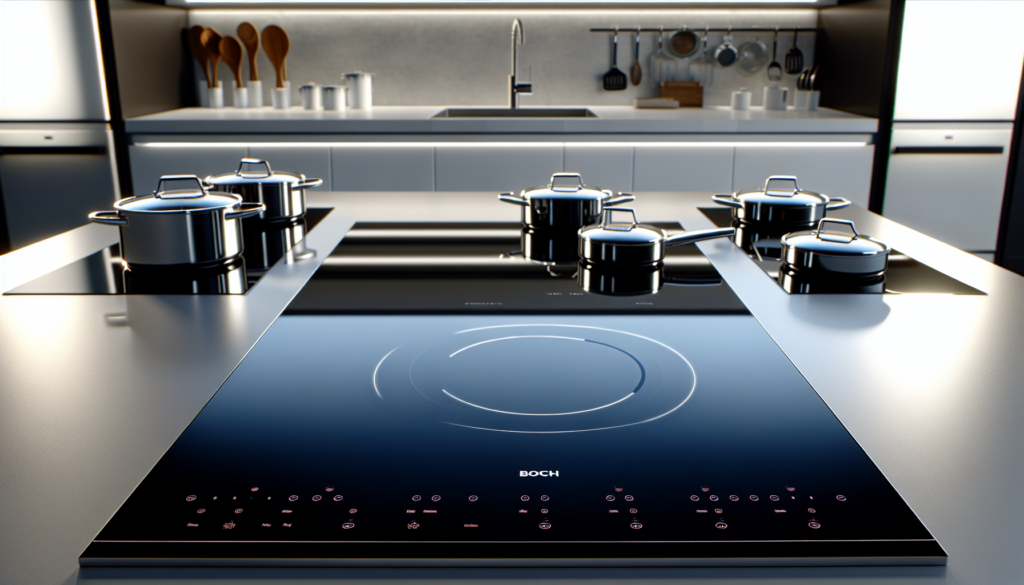
Induction cooktops are transforming modern kitchens with their efficiency, precision, and sleek design. As homeowners and cooking enthusiasts seek alternatives to traditional gas and electric stoves, induction technology offers rapid heating, enhanced safety, and a cleaner cooking environment. This article delves into the mechanics, benefits, types, compatible cookware, and top brands in induction and electric cooking solutions.
Understanding Induction Cooking
Induction cooking technology revolutionizes the way heat is delivered in the kitchen by leveraging electromagnetic induction. Unlike traditional electric or gas cooktops, which transfer heat indirectly—through an open flame or heated coil—an induction cooktop uses copper coils beneath a smooth glass surface to create a magnetic field when electric current passes through. When a pot or pan made of a ferromagnetic material (such as cast iron or magnetic stainless steel) is placed on the induction burner, this magnetic field induces tiny electrical currents within the cookware itself, causing it to heat up almost instantly. The cooktop surface remains relatively cool, while the pan becomes the true source of heat.
This direct heating method introduces a suite of advantages. Temperature adjustments are almost instantaneous, offering precise control for delicate simmering as well as rapid boiling. Because energy is delivered directly to the pan, induction cooking is notably efficient—often converting over 80% of consumed energy to heat within the cookware, compared to about 40% for gas stoves. This translates to reduced cooking times and lower utility bills.
Safety is another compelling benefit. Since induction burners only heat ferromagnetic materials, accidental burns from touching the cooktop are much less likely. Most induction cooktops also incorporate sophisticated features like automatic shut-off, pan detection, and child-locks, making them safer choices for families.
Only cookware with magnetic properties—such as those labeled “induction compatible”—will work on an induction cooktop. Users often test pans with a magnet; if a magnet sticks firmly to the bottom, the cookware will perform well. Beyond energy efficiency, induction cooktops also contribute to a healthier home and environment by minimizing ambient heat and emitting no combustion byproducts, making the kitchen cooler and improving overall indoor air quality. These benefits make induction technology especially popular in modern kitchens demanding performance, safety, and sustainability.
Comparing Induction and Electric Cooktops
When weighing the choice between induction cooktops and traditional electric options like coil, plate, and smooth ceramic (radiant) cooktops, it’s important to look beyond the fundamental technology and explore how these appliances impact your daily cooking experience. All of these cooking surfaces are technically “electric,” but their operation differs in significant ways that shape their performance and practicality in the kitchen.
Induction cooktops stand out for their impressive responsiveness. Changes in temperature settings are translated almost instantly into heat adjustments at the pan, similar to gas, but unlike the slow ramp-up and cool-down of coil or radiant electric surfaces. This keeps boiling, simmering, or searing under precise control. By contrast, the radiant heat from ceramic and coil electric cooktops suffuses gradually, leaving you waiting between temperature shifts—an issue when cooking delicate dishes.
Cleanliness is another marked difference. Induction cooktops remain much cooler than other electric tops because only the pan is heated. Spills rarely scorch onto the glass surface, making cleanup as simple as a wipe. Electric coil and ceramic cooktops, however, can become extremely hot; spills and splatters often lead to baked-on residue requiring scrubbing and special cleaners.
Reduced kitchen heat is a subtle but significant comfort advantage with induction. Because induction transfers energy directly to the cookware, there’s minimal radiant heat escaping into the room—the kitchen stays cooler compared to conventional electric stoves, which emit more residual warmth.
From a safety perspective, induction offers key benefits: only the area under the pan heats, and most surfaces stay cool to the touch, lowering burn risks. Plus, built-in sensors cut power if no compatible pan is detected. Traditional electric cooktops, by contrast, retain surface heat even after use, posing a lingering burn hazard.
Within the broader world of electric cooking, induction stands as the modern, precision-driven choice, integrating seamlessly alongside more familiar electric cooktop technologies, but offering heightened performance, easier maintenance, and increased safety—qualities that increasingly influence homeowners’ decisions as they evaluate the best fit for their kitchens.
Choosing the Right Induction Cooktop for Your Kitchen
Selecting the right induction cooktop for your kitchen involves considering your cooking habits, kitchen layout, and the features that will most enhance your daily experience. A key initial decision is between built-in induction cooktops and portable induction burners. Built-in models, including popular sizes like the 30-inch and 36-inch induction cooktops, such as those from GE and Bosch, are ideal for permanent kitchen installations. They integrate seamlessly into your countertop and frequently offer multiple cooking zones, precise power controls, and a sleek glass-ceramic surface that is both attractive and easy to clean.
Portables, by contrast, offer exceptional flexibility for small kitchens, dorm rooms, or supplemental use during large-scale cooking. These single or double induction burners deliver all the efficiency of their built-in counterparts, often with intuitive touch controls and the capacity to quickly move them or store them away when not in use.
Induction ranges—full ovens with induction cooktops—give you the combined benefits of advanced stovetop technology and modern electric baking, making them a solid choice if you’re updating an entire cooking suite. While less common, induction ovens are emerging, offering ultra-fast, precise baking via electromagnetic technology.
Focus on control options such as digital sliders, touchpads, or traditional knobs, as these can bring better precision and kitchen workflow. Multiple power levels and booster modes offer greater control over heat and speed. Consider features like child locks, bridge elements for larger cookware, and smart connectivity for integration with kitchen apps.
Ventilation is sometimes overlooked; because induction cooktops heat the pan, not the air, less ambient heat is produced—but a good downdraft or overhead system is still crucial when cooking with oils or high heat. Surface durability also matters: most models feature tough ceramic glass, but checking reviews for scratch resistance is worthwhile.
Your ultimate choice should suit both your culinary ambitions and your kitchen’s constraints, blending smart cooking flexibility with trusted brand reliability.
The Importance of Induction-Compatible Cookware
Induction cooking’s core technology relies on electromagnetic fields, making the selection of compatible cookware essential for efficiency and safety. Not all pans will function with an induction cooktop—while traditional electric stoves work with nearly all metals, induction demands a ferromagnetic base. To be induction-compatible, cookware must contain iron or have a magnetic stainless steel layer on the bottom. Common suitable materials include cast iron, enameled cast iron, most stainless steels (though some grades, like 18/10 nickel-rich variants, may not magnetize), and specially manufactured multi-layer designs that sandwich magnetic steel with copper or aluminum for enhanced performance.
Aluminum, copper, glass, and pure ceramic cookware are not suitable unless constructed with a bonded magnetic layer on the base. Some manufacturers now offer “induction-ready” aluminum or copper pans with this essential feature, but it is crucial to confirm the labeling or perform a simple magnet test: if a magnet sticks firmly to the base, the cookware is generally induction-safe.
Quality of cookware plays a direct role in induction efficiency. Thick, flat-bottomed pans ensure even heat transfer and stable contact with the glass-ceramic surface, minimizing hotspots and maximizing responsiveness. Poorly designed, warped, or lightweight pans can lead to uneven cooking or even trigger safety shutoffs. Premium multi-clad or tri-ply pans, especially those engineered for induction, offer both superb control and longevity. Additionally, heavier cookware like cast iron and some stainless steel can risk scratching the delicate glass surface of induction units; using pans with smooth, sanded bottoms and carefully lifting cookware rather than sliding it will preserve the cooktop’s finish.
When choosing induction cookware, prioritizing both magnetic compatibility and superior construction will unlock the appliance’s full potential and protect your investment in leading-edge electric cooking technology.
Leading Brands and Innovations in Induction Appliances
Among the many manufacturers adapting to the rise of induction technology, Bosch and GE consistently stand out for their commitment to quality, innovation, and integration. Bosch induction cooktops and stoves are lauded for their sleek European design, precise control, and advanced safety features. Notably, their 30-inch and 36-inch induction cooktops feature FlexInduction zones, which allow for the seamless heating of either individual pots or larger cookware by merging cooking zones. Bosch also leads with touch-sensitive controls and programmable timers, effortlessly blending functionality and style for the modern kitchen.
GE induction cooktops and ranges are recognized for their reliability and broad accessibility in North American homes. GE emphasizes practical features like synchronized elements for griddles, digital control panels, and innovative WiFi connectivity enabling remote monitoring or recipe guidance. In their induction ranges, the integration of a convection oven with induction burners has increased versatility, responding to the demands of both home cooks and professionals.
Among newer trends across all major brands, portable induction cooktops and burners bring flexibility, offering point-of-use cooking in diverse settings—from compact apartments to outdoor events. Induction ovens are also joining mainstream household appliances, further transitioning homes from traditional electric or gas cooking to touch-controlled precision.
When evaluating the best induction cooktop or induction stove, key criteria should include cooking zone flexibility, safety features, user interface intuitiveness, power adjustment range, and integration with other smart home technologies. Consider the manufacturer’s reputation for durability and after-sales support. The availability of compatible induction cooktop pans or induction cookware recommended by the brand can also affect everyday performance. As innovation continues, more brands are releasing appliances that prioritize energy efficiency, bridging seamless design with pro-level capabilities—making the selection process centered on balancing budget, feature set, and long-term reliability.
Conclusions
Induction cooktops represent a technological leap in kitchen appliances, delivering precision, safety, and energy efficiency. By understanding the underlying science, key differences from other cooktops, cookware considerations, and the top brands available, consumers can make informed decisions and fully enjoy the benefits of modern induction cooking.
Check out mykitchenreview.com for more.