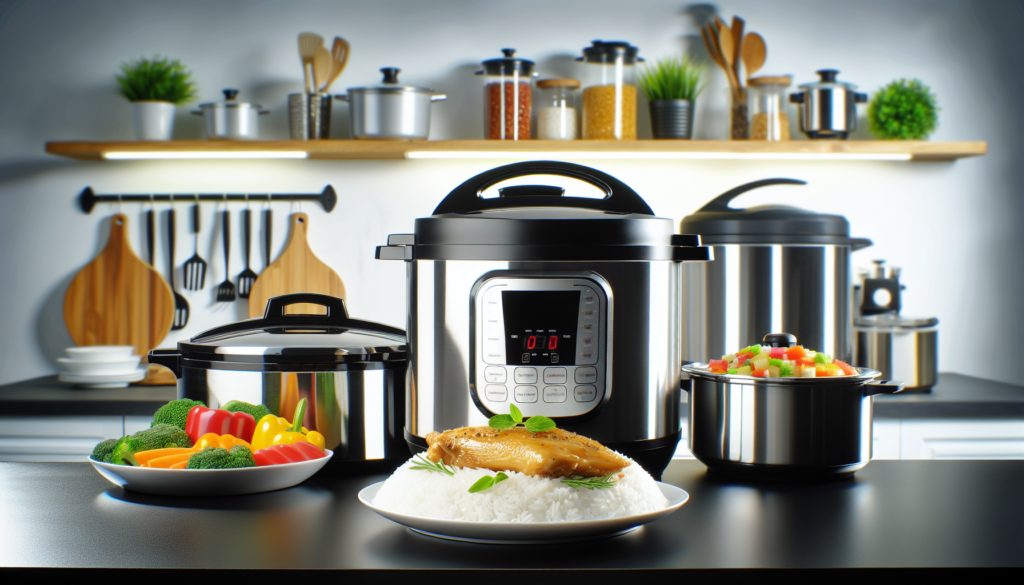
Pressure cookers and modern multi-cookers such as the Instant Pot and Ninja Foodi have revolutionized kitchens worldwide, transforming the way people cook chicken, rice, and a variety of dishes. In this guide, we explore the evolution, features and techniques of pressure cookers and their electric successors so you can choose the best, cook safely, and enjoy fast, delicious home meals.
Understanding Pressure Cookers: Tradition Meets Innovation
The pressure cooker, a revolutionary kitchen tool, has a fascinating legacy rooted in both science and culinary tradition. The journey began in the late 1600s, when French physicist Denis Papin introduced the “steam digester.” This early form of pressure pot harnessed sealed steam to greatly reduce cooking time—an innovation that would quietly lay the groundwork for centuries of home-cooked meals. Over time, pressure cookers evolved from cumbersome stovetop devices into the sleek electric models that now make up the heart of many modern kitchens.
At its core, a pressure cooker, whether an old-fashioned pressure cooker pot or the latest instant pressure cooker, capitalizes on the physics of steam. An airtight seal traps steam created from boiling liquid, elevating pressure and, crucially, temperature far above that of open-pot boiling. Foods like chicken or rice, which normally require long stewing or simmering, become fork-tender in a fraction of the usual time, while nutrients are better preserved due to shorter exposure to heat and less evaporation of liquids. This approach is a not only a time-saver but also a boon to energy efficiency—making pressure cookers a smart choice for environmentally conscious cooks.
Modern pressure cookers, such as the best Instant Pots and Ninja Foodi units, have embraced robust safety innovations. Features like locking lids, automatic pressure regulation, safety valves, and thermal cutoffs ensure safe operation and minimize the risks once associated with vintage pressure pots. This has demystified pressure cooking for a new generation, spurring renewed interest and widespread adoption.
Recipes once limited to stovetop methods, like pressure cooker chicken or pressure cooker rice, now benefit from programmable settings and intuitive digital displays. As traditional rice cooker and pressure cooker functionalities merge with new technology, home cooks enjoy unmatched convenience without losing touch with the nostalgic flavors and efficiency that have defined pressure cooking’s long evolution.
The Rise of Multi-Cookers: Instant Pot and Ninja Foodi
The past decade has witnessed a kitchen revolution with the arrival of multi-cookers like the Instant Pot and Ninja Foodi. These devices represent a leap forward from single-use pressure pots and rice cookers, offering a fusion of technology and versatility. At their core, multi-cookers integrate a microprocessor-driven control system, precise temperature sensors, and electronically managed pressure valves, enabling one device to seamlessly switch between functions such as pressure cooking, slow cooking, rice making, steaming, sautéing, and even air frying in the case of Ninja Foodi models.
This technological convergence means that preparing classic dishes like pressure cooker chicken or perfectly fluffy rice no longer requires separate appliances. Multi-cookers save both counter space and the mental bandwidth needed to master multiple gadgets. For busy households, this means quickly transitioning from browning meat to pressure cooking, and then keeping it warm—all in a single, programmable pot.
The Instant Pot, specifically, became a cultural icon almost overnight due to its reliability, ease of use, and the explosion of online communities sharing recipes and troubleshooting tips. It streamlined complex meals into simple, one-touch processes, changing the way people approach home cooking. The Ninja Foodi elevated the concept further by integrating a built-in air fryer, allowing users to finish pressure-cooked meals with a crispy, golden exterior—something previously unimaginable with a single unit.
Comparing popular models, the Instant Pot Duo offers essential features at an accessible price, while the Ultra and Pro lines add advanced custom programming. The Ninja Foodi stands out for its tender-crisp technology and intuitive digital interface. Whichever you choose, these multi-cookers reduce clutter, accelerate meal preparation, and empower cooks at every skill level to create healthy and diverse dishes with minimal fuss.
Practical Guide: How to Use a Pressure Cooker Safely and Effectively
Learning how to use a pressure cooker safely and effectively—whether a classic stovetop model or a modern electric multi-cooker like the Instant Pot or Ninja Foodi—opens up a world of convenient, healthy, and fast home cooking. Begin by prepping your ingredients: chop vegetables evenly, trim meats of excess fat, and always ensure there’s enough liquid in the pot (most recipes require at least 1 cup for electric models, slightly less for stovetop, but never cook dry).
For traditional pressure pots, add your ingredients and liquid, lock the lid in place, and set the heat to high. When you see steam or a steady hiss, reduce the heat to maintain pressure as indicated by the pressure regulator. Modern electric pressure cookers simplify this: after adding your ingredients, secure the lid, ensure the valve is set to “sealing,” then select the pressure setting and cooking time. Most will indicate when pressure is reached and countdown starts.
Monitoring progress is key with stovetop pots—listen for changes in sound that signal pressure build-up, and adjust heat as needed. With electrics, let the cooker do the work but ensure the lid and valve are locked before starting.
When cooking finishes, release pressure either naturally (letting the pot cool on its own, ideal for soups and meats) or quickly (turning the valve to vent, for more delicate foods). Always use a spoon or wear a glove to avoid hot steam burns.
Pay attention to safety features: modern multi-cookers won’t build pressure if the lid isn’t locked, and many have anti-blockage vents and lid detection. Never force the lid open and check the sealing ring and valves regularly for debris.
If your pot won’t pressurize, check the sealing ring and ensure enough liquid. Stuck lid? Wait longer for natural release. For beginners, follow tested recipes first, and avoid overfilling or rapid cooling. Practice makes perfect, and mastering these basics sets you up for expert dishes in the next chapter.
Cook Like a Pro: Pressure Cooker Chicken, Rice, and More
When it comes to weeknight efficiency, the modern pressure cooker—whether a traditional stovetop pot, an Instant Pot, or a Ninja Foodi—transforms staple dishes into quick, flavor-packed meals. For succulent pressure cooker chicken, start by seasoning bone-in thighs or breasts with salt, pepper, and aromatics like garlic and paprika. Add a splash of broth or water (about 1 cup), ensuring enough liquid for steam. Cook on high pressure for 8-10 minutes for boneless pieces or up to 15 for bone-in, then use a natural pressure release for juicy, tender results. If you want crisp skin, transfer the chicken to a broiler or use the Ninja’s crisping lid for a finishing touch.
Rice is another staple brilliantly suited for pressure cooking. Rinse 1 cup of jasmine or basmati rice until water runs clear—this removes excess starch, yielding fluffier grains. Use a 1:1 rice-to-water ratio in a pressure cooker, and cook on high pressure for 3-5 minutes with a 10-minute natural release. This method rivals or surpasses many dedicated rice cookers, though rice cookers may edge out in precise, delicate texture for sushi or specialty rices. However, an Instant Pot or Ninja can simultaneously prepare rice and another dish with the pot-in-pot method, streamlining your workflow.
To adapt recipes for multi-cookers, reduce liquid slightly as pressure prevents evaporation. Sautéing aromatics before pressure cooking amplifies flavor in dishes like risottos, hearty stews, or chili. Rely on quick or natural pressure release strategically: legumes and meats often benefit from natural release for tenderness; vegetables retain color and crunch with quick release.
Beyond chicken and rice, experiment with pressure cooker yogurt, creamy mac and cheese, or batch-cooked beans. Maximizing texture and taste is about layering seasonings, adjusting liquid levels, and leveraging your multi-cooker’s additional features like steaming or air-frying, to deliver maximum flavor efficiently.
Finding the Best Pressure Cooker or Multi-Cooker for Your Home
Selecting the right pressure cooker, Instant Pot, or Ninja Foodi for your home starts with assessing your cooking habits and household needs. Begin by considering capacity; solo cooks or couples may find a 3- to 6-quart model sufficient, while families of four or more often benefit from 6- to 8-quart pots. If you love batch cooking or entertaining, choose the largest offered by reputable brands.
Next, review the number and type of functions. Classic stovetop pressure pots excel at one thing—pressure cooking—offering simplicity and durability. In contrast, multi-cookers such as the Instant Pot or Ninja Foodi combine multiple appliances in one. Look for models that include pressure cook, slow cook, rice cook, steam, sauté, and, if desired, air fry capabilities. If rice is a staple, evaluate other modes and compare with a dedicated rice cooker.
Brand reputation matters. Brands like Instant Pot and Ninja are known for reliable performance, innovation, and robust safety records. Research brand-specific features—Ninja, for example, may offer crisping lids, while Instant Pot touts a vibrant online community and accessories.
Digital controls and pre-set programs dramatically boost convenience; intuitive interfaces and clear displays make it easy to select the appropriate mode and cooking time. If you appreciate precision cooking or want to “set it and forget it,” prioritize models with digital timers, delay start, and keep-warm features. Safety mechanisms—such as locking lids, pressure release valves, and automatic shut-offs—are non-negotiable.
For busy cooks, ease of cleaning is critical. Removable, dishwasher-safe pots and minimal crevices reduce effort. Read user reviews for insights on longevity and clean-up hassles.
Top-rated models currently include the Instant Pot Duo, Instant Pot Pro, Ninja Foodi Deluxe, and traditional Presto stovetop pressure cookers.
Checklist for shopping:
– Determine primary uses and ideal capacity
– Compare functions and smart features
– Review brand reputation and model reliability
– Check for essential safety mechanisms
– Assess digital controls and ease of use
– Prioritize simple maintenance and cleaning
– Match price and warranty with value offered
Conclusions
In summary, pressure cookers and their modern counterparts have dramatically improved kitchen efficiency and meal preparation. From traditional models to versatile multi-cookers such as the Instant Pot or Ninja Foodi, these appliances provide fast, safe, and nutritious cooking. By understanding their technology, techniques, and choosing the right model, you can unlock healthier, tastier meals with ease.
Check out mykitchenreview.com for more similar reviews.